Oceanic Methane Interdisciplinary Meeting in Brest
Methane is the simplest organic molecule, yet it has a profound impact on Earth’s climate and represents a dynamic component of the oceanic carbon cycle. This cycle is partly shaped by interactions between the geosphere -the largest methane reservoir- and the ocean, where methane distributions are highly variable and constitute a natural source to the atmosphere.
The oceanic methane cycle is governed by processes operating across multiple spatial and temporal scales. These include large-scale geological drivers such as sediment deposition, tectonic activity, and gas hydrate dynamics, as well as fine-scale biological and chemical transformations. The latter encompasses biologically mediated methane production and consumption through multiple pathways across a wide range of environments, from anoxic sediments to the oxic water column (the so-called “methane paradox”), as well as abiotic methane production associated with hydrothermal vent systems. Rapidly evolving technologies, particularly advances in methane sensors, isotopic techniques, and omics approaches, now offer unprecedented opportunities to observe, quantify, and constrain methane dynamics in the ocean.
Advancing our understanding of the oceanic methane cycle requires a broad and truly interdisciplinary approach, integrating expertise from microbiology and ecology, geology and geophysics, geochemistry and biogeochemistry, Earth system modeling, analytical chemistry, and sensor development. To foster interdisciplinary exchange and collaboration in oceanic methane research, we propose to host a three-day scientific meeting in Brest, preceded by a one-day pedagogical event dedicated to students and early-career scientists.
Registration is free and includes coffee breaks and lunch.
The MethanOcean meeting is organised by:
Program
June 8, 2026
PNBI
Pedagogical day
A one-day event dedicated to students and early-career researchers, offering a multidisciplinary overview of key processes and tools related to oceanic methane. The programme will combine introductory lectures on methane sources, transformations, and fluxes with methodological presentations and practical perspectives, spanning geochemistry, microbiology, chemical oceanography, and instrumentation.
June 9, 2026, morning
PNBI

Methane production processes in oxic waters and sea-to-air fluxes
Invited speaker
Dr. Mina Bizic | TU Berlin
More information
The global flux of oceanic methane to the atmosphere is unsurprisingly dominated by highly-productive shallow coastal environments, where methane is the product of methanogenesis in anoxic conditions. But methane oversaturation is also observed in most oxic ocean surface waters, including well-mixed coastal waters, a phenomenon known as the ‘ocean methane paradox’ (OMP). This session welcomes contributions on the comprehension of methane anomalies in the oceanic euphotic layer and on the estimation of sea-to-air fluxes in offshore environments via in situ measurements and/or modelling. The aim is not only to uncover the dynamics and processes driving the oceanic methane cycle but also to determine how the oceanographic community can contribute to the evaluation of methane fluxes through e.g. systematic measurements of methane during oceanographic cruises or the development of long-term high frequency observatories.
June 9, 2026, afternoon
PNBI

Marine methane microbial and macro-ecology: from molecules to ecosystems
Invited speaker
Dr. Gunter Wegener | MARUM
More information
This session focuses on the microbial and macrofaunal ecology in marine environments, from the molecular mechanisms of methanogenesis and methane oxidation to their impacts on chemosynthetic ecosystems in sediments and water column. We welcome contributions integrating cultivation-based experiments, omics approaches, stable isotope probing, and biogeochemical analyses to elucidate the diversity, activity, and interactions of methane-cycling micro and associated fauna. Particular emphasis will be placed on studies linking microbial processes to ecosystem-scale methane dynamics, including sediment-water exchanges and benthic-pelagic coupling. This session aims to highlight the central role of organisms in controlling methane transformations and shaping the chemical and functional properties of marine ecosystems.
June 10, 2026, morning
PNBI

Marine geology and geophysics: from deep structures to surface processes
Invited speaker
Dr. Aurélien GAY | Univ. Montpellier
More information
Assessing the significance of marine gas sources to the global methane budget relies on the upscaling of local observations supported by the regional understanding of the geological and geomechanical factors controlling the accumulation and migration of free gas in the subsurface. This session aims at covering these interrelated topics with particular emphasis on quantitative ground modelling and numerical simulation of gas charging and flow. Contributions dealing with advances in geophysical methods for the detection and quantification of free gas in sediment and in the water column are welcome as well as field scale analyses of coupled flow and geomechanics.
June 10, 2026, afternoon
PNBI

Biogeochemistry across geosphere-ocean interface
Invited speaker
Dr. Eoghan Reeves | UiB
More information
The geosphere contains the largest methane reservoirs, produced through microbial, thermogenic, and/or abiotic processes. We welcome studies aimed at distinguishing and quantifying the various methane production pathways in the subsurface, from abiotic to biotic processes, as well as processes that can occur at interfaces (such as mixing, diffusion, and degradation) during migration through the geosphere and eventual release into the ocean. These investigations are essential for constraining methane dynamics and assessing their impacts on oceanic systems.
June 11, 2026, morning
IUEM, Amphi A

Advances in methane measurement: novel methods and technologies
Invited speaker
Arne Estelmann | IOW
More information
Advances in technology and innovative approaches for methane analysis are providing new insights into the biogeochemical cycle of methane. This session invites contributions on cutting-edge tools, including sensors, as well as emerging analytical methods such as clumped isotopes. It will showcase improvements in spatial and temporal measurement resolution, reductions in analytical bias and uncertainty, intercomparisons, and the integration of these techniques into multidisciplinary frameworks.
Local organisation committee
Cédric Boulart – LEMAR
Antoine Crémière – Geo-Ocean
Sébastien Garziglia – Geo-Ocean
Thomas Giunta – Geo-Ocean
Laurent Toffin – BEEP
With the support of
Welcome to Brittany
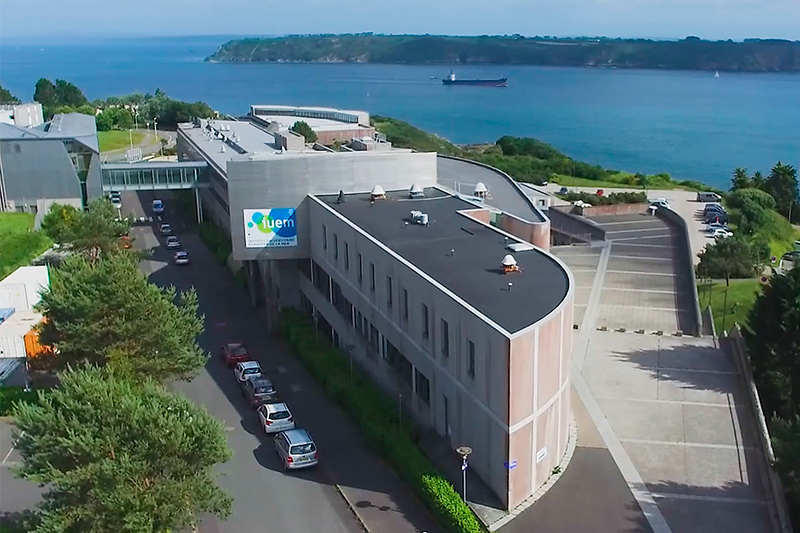
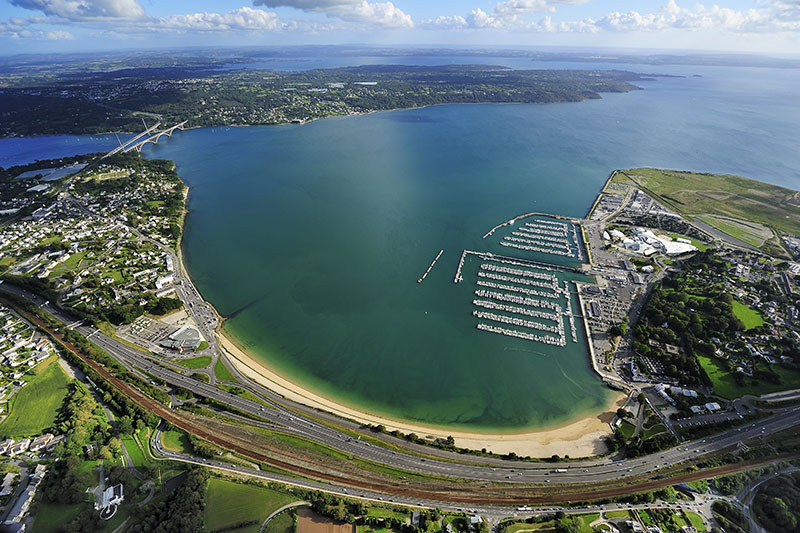
The MéthanOcéan conference will take place at IUEM and PNBI from 8 to 11 June 2026 at the Brest-Iroise Technology Park in Plouzané.
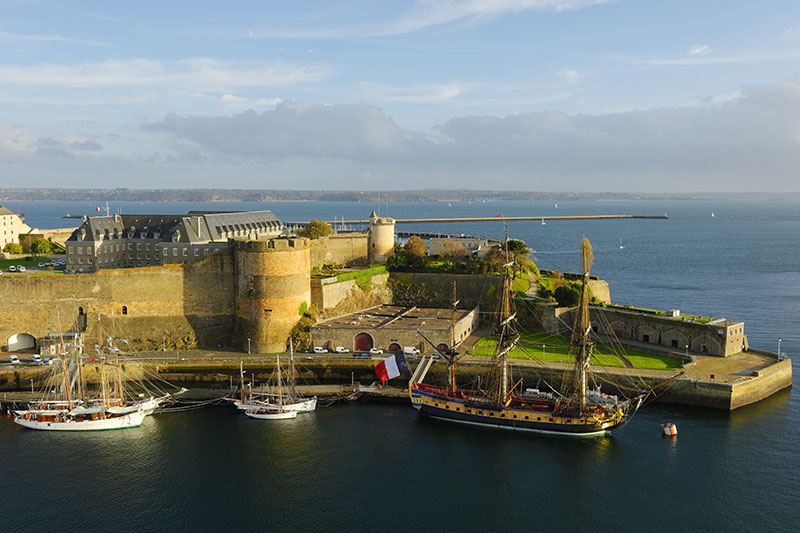
Brest is a city of 400,000 inhabitants, both a tourist destination and a residential area. There are many hotels in Brest, ranging from 1 to 4 stars, with prices from €50 to €150 per night. Student accommodation is also available in the centre of Brest, 10 minutes by tram from Brest Arena. The city and its suburbs offer many attractive facilities and points of interest, such as Océanopolis, the Ateliers des Capucins linked to the city centre by France’s first urban cable car, and the Conservatoire botanique National de Brest. The city was recently classified as a ‘City of Art and History’. Innovative and open to the world, Brest stands out from other French cities for its links with the marine environment and its cutting-edge marine science and technology sector. It was from the port of Brest that great explorers such as La Pérouse, Kerguelen and Bougainville set sail to discover new worlds. Brest has a TGV station in the city centre and an international airport close to the city centre, with a shuttle bus and tram service. Brest Bretagne International Airport offers a few international flights and a wide choice of flights via Paris (Orly or Charles de Gaulle).