

 https://www-iuem.univ-brest.fr/lemar/wp-content/uploads/2026/09/ostrea2026_main.jpg
423
1210
Sebastien Herve
https://www-iuem.univ-brest.fr/lemar/wp-content/uploads/2018/10/logo-lemar-big.png
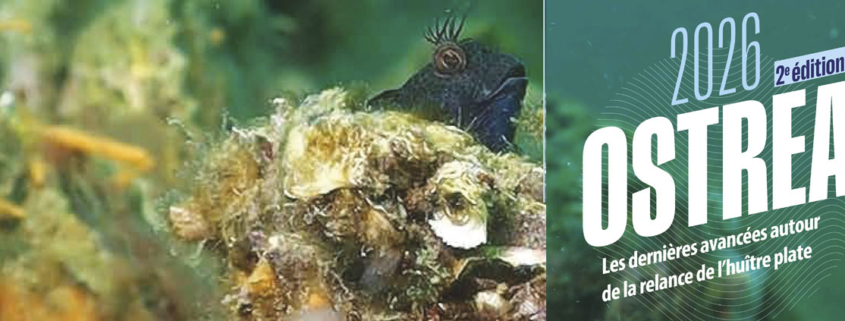
Sebastien Herve2026-09-03 09:34:232026-09-03 09:34:23Colloque OSTREA 2026 | Vendredi 9 octobre à Océanopolis (Brest)
https://www-iuem.univ-brest.fr/lemar/wp-content/uploads/2026/09/ostrea2026_main.jpg
423
1210
Sebastien Herve
https://www-iuem.univ-brest.fr/lemar/wp-content/uploads/2018/10/logo-lemar-big.png
Sebastien Herve2026-09-03 09:34:232026-09-03 09:34:23Colloque OSTREA 2026 | Vendredi 9 octobre à Océanopolis (Brest)
 © Erwan AMICE | CNRS
https://www-iuem.univ-brest.fr/lemar/wp-content/uploads/2026/07/canicule-2026-main.jpg
423
1210
Sebastien Herve
https://www-iuem.univ-brest.fr/lemar/wp-content/uploads/2018/10/logo-lemar-big.png
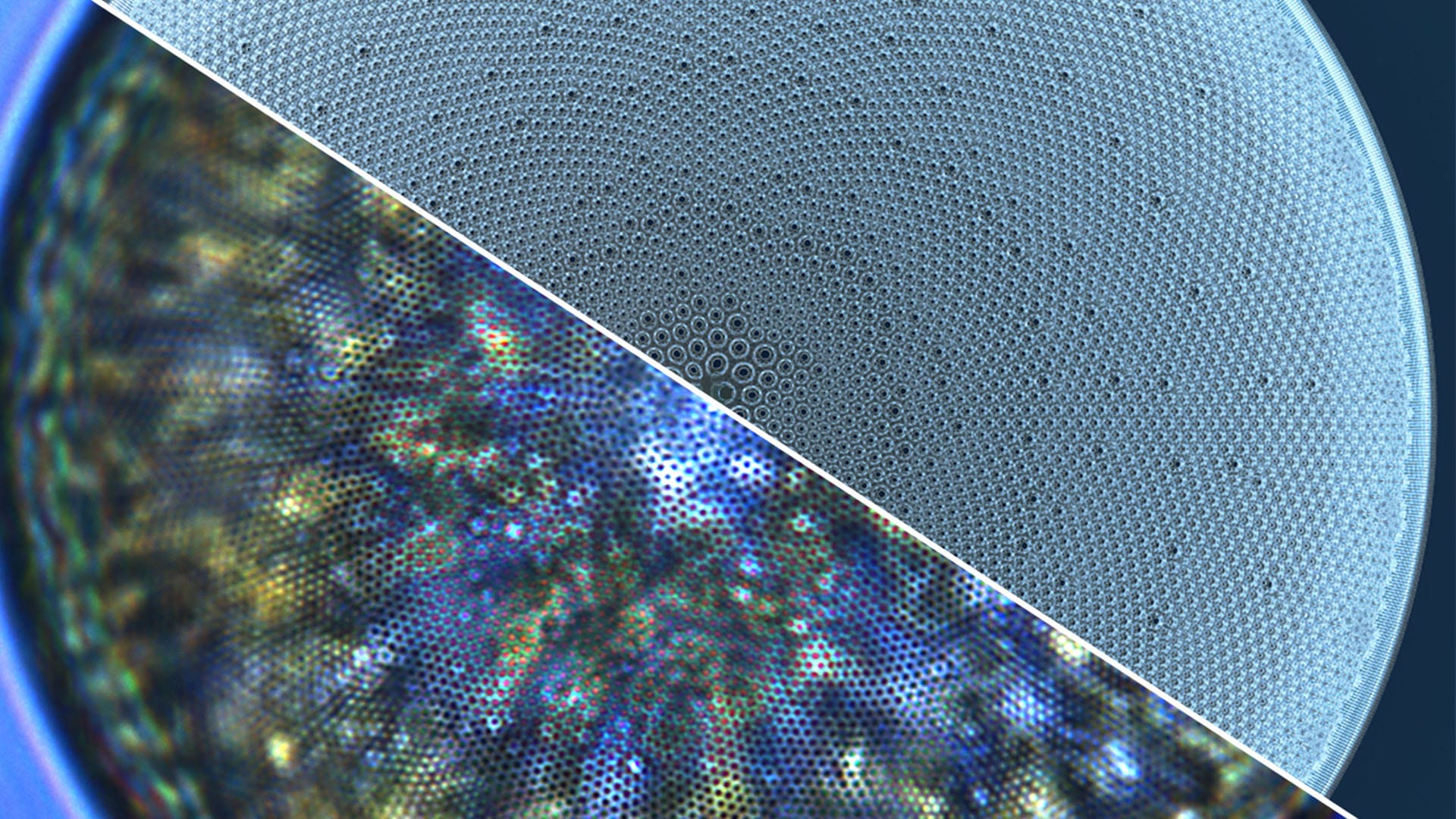
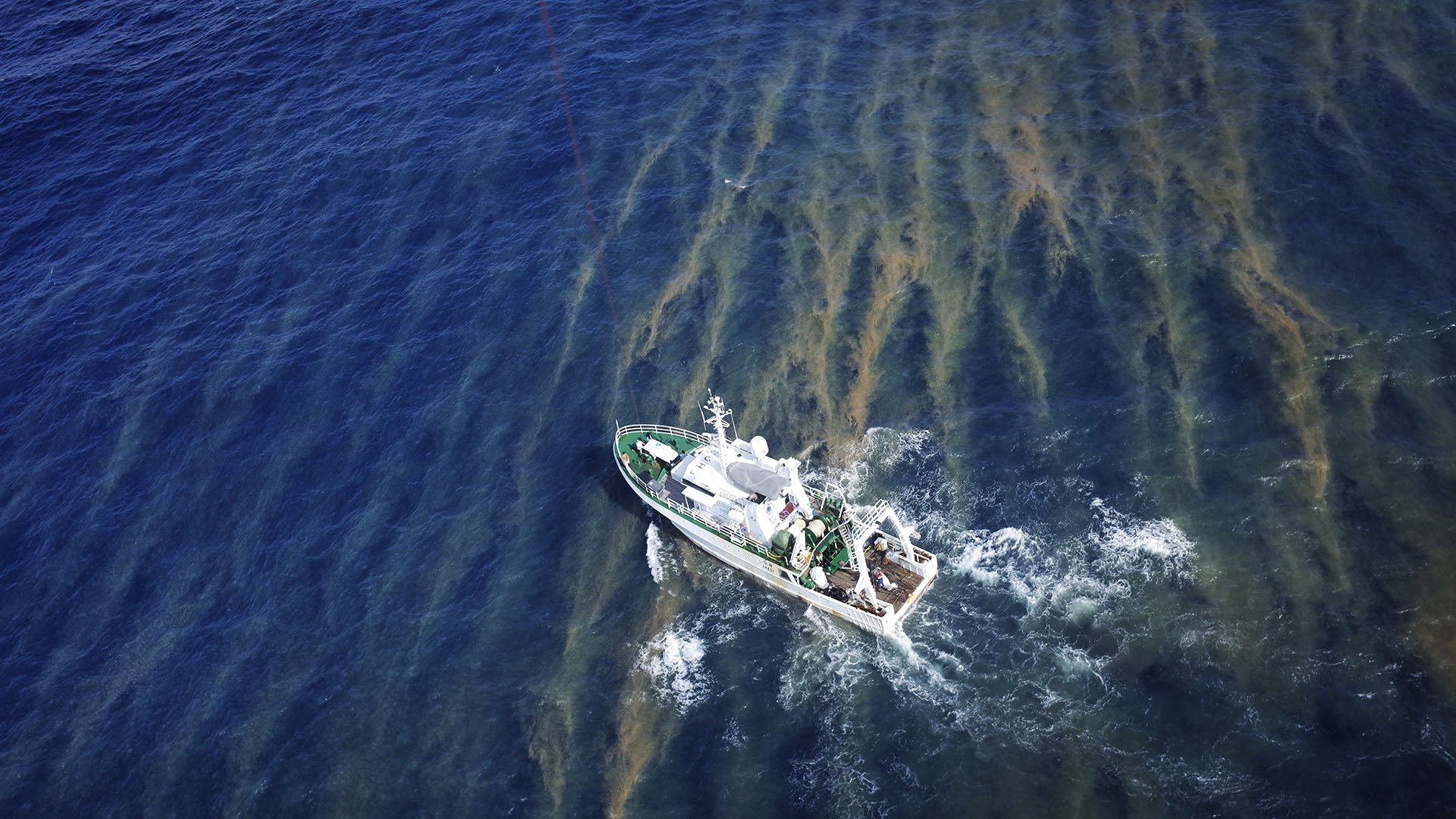
Sebastien Herve2026-07-17 13:47:122026-07-17 16:04:01La biodiversité marine à l’épreuve des canicules
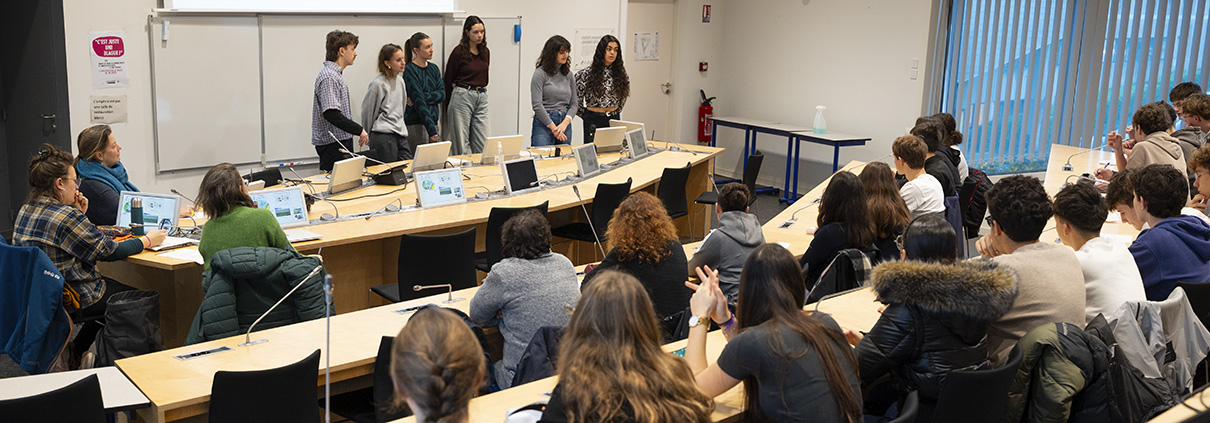 © Sébastien Hervé | UBO
https://www-iuem.univ-brest.fr/lemar/wp-content/uploads/2026/07/anglais-sml-main.jpg
423
1210
Sebastien Herve
https://www-iuem.univ-brest.fr/lemar/wp-content/uploads/2018/10/logo-lemar-big.png
Sebastien Herve2026-07-13 15:15:212026-07-13 15:32:29Enseignement des langues dans le master SML : vers l’anglais et au delà !
 https://www-iuem.univ-brest.fr/lemar/wp-content/uploads/2026/06/Desirer-amerrir-main.jpg
421
1210
Sebastien Herve
https://www-iuem.univ-brest.fr/lemar/wp-content/uploads/2018/10/logo-lemar-big.png
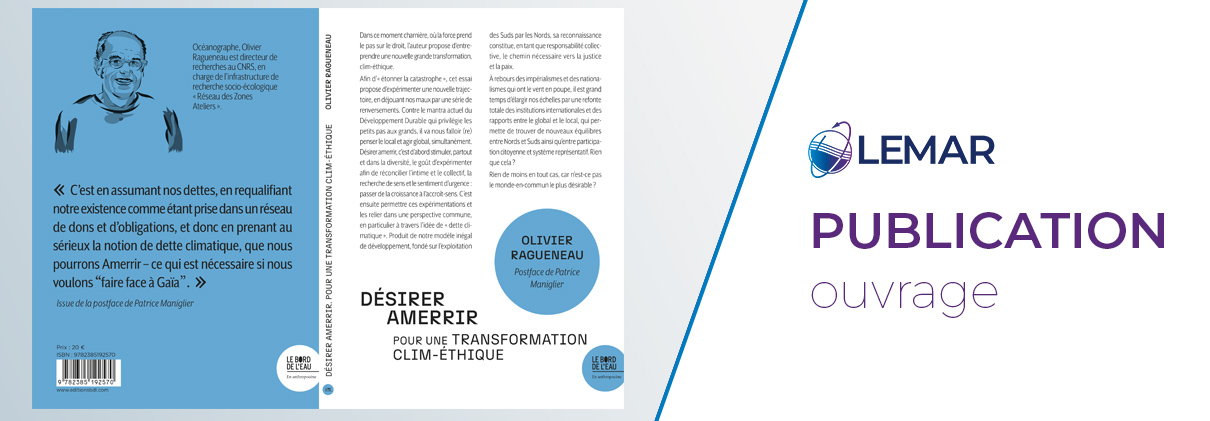
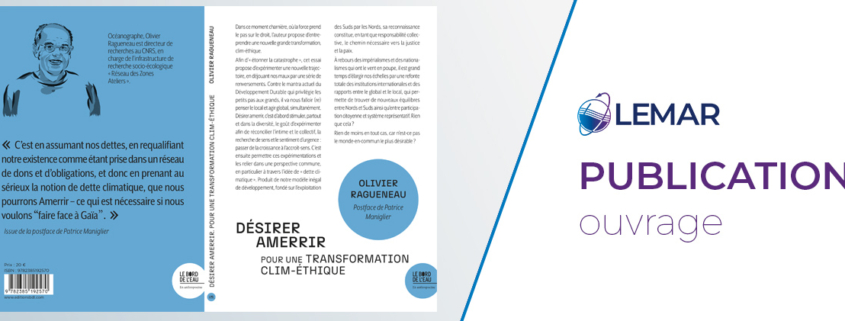
Sebastien Herve2026-06-29 08:47:502026-06-29 08:47:50« Désirer amerrir. Pour une transformation clim-éthique » d’Olivier Ragueneau vient de paraître
 https://www-iuem.univ-brest.fr/lemar/wp-content/uploads/2026/06/Film-Abysses-Arte_main.jpg
423
1210
Sebastien Herve
https://www-iuem.univ-brest.fr/lemar/wp-content/uploads/2018/10/logo-lemar-big.png
Sebastien Herve2026-06-11 12:16:372026-06-11 12:16:37« Abysses, la face cachée des océans » à voir sur Arte.
 https://www-iuem.univ-brest.fr/lemar/wp-content/uploads/2026/04/Trophee-valo-2026_main.jpg
423
1210
Sebastien Herve
https://www-iuem.univ-brest.fr/lemar/wp-content/uploads/2018/10/logo-lemar-big.png
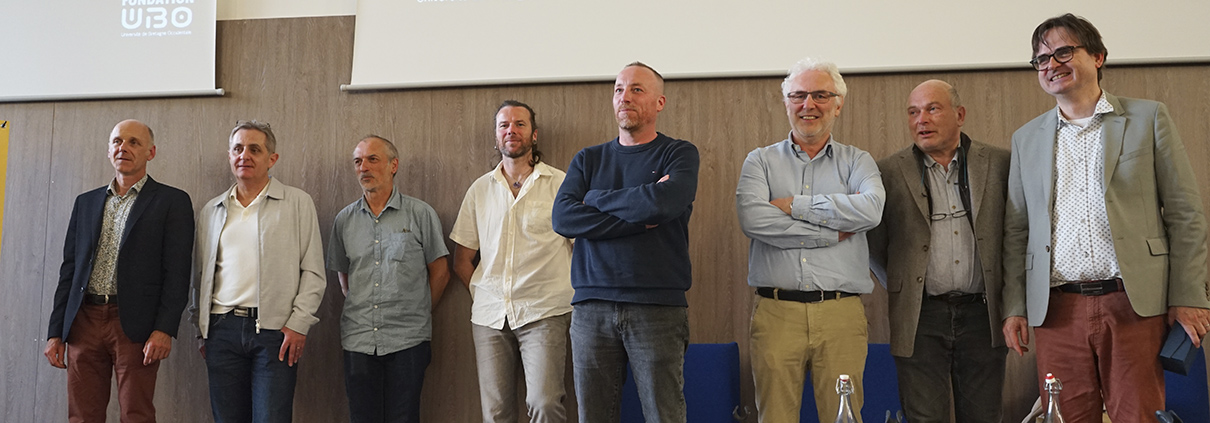
Sebastien Herve2026-05-29 14:00:422026-05-29 14:09:10Trophées de la valorisation UBO 2026 : des chercheurs du LEMAR récompensés
 https://www-iuem.univ-brest.fr/lemar/wp-content/uploads/2026/10/Thomas-Burel-france3.jpg
423
1210
Sebastien Herve
https://www-iuem.univ-brest.fr/lemar/wp-content/uploads/2018/10/logo-lemar-big.png
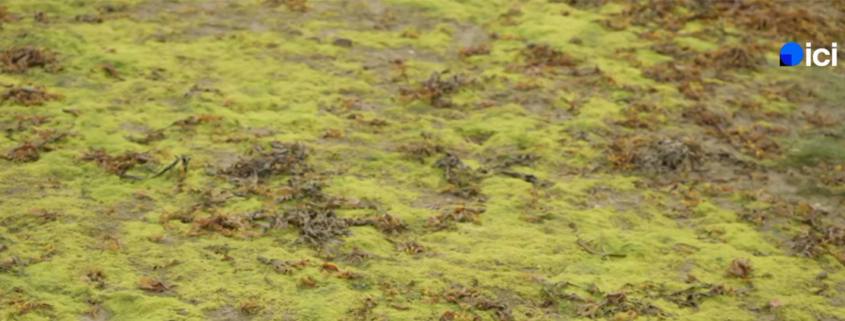
Sebastien Herve2026-10-09 09:45:532026-10-09 09:45:53Les algues vertes menacent aussi la biodiversité des fonds de la Rade de Brest
 https://www-iuem.univ-brest.fr/lemar/wp-content/uploads/2026/09/ostrea2026_main.jpg
423
1210
Sebastien Herve
https://www-iuem.univ-brest.fr/lemar/wp-content/uploads/2018/10/logo-lemar-big.png
Sebastien Herve2026-09-03 09:34:232026-09-03 09:34:23Colloque OSTREA 2026 | Vendredi 9 octobre à Océanopolis (Brest)
 © Erwan AMICE | CNRS
https://www-iuem.univ-brest.fr/lemar/wp-content/uploads/2026/07/canicule-2026-main.jpg
423
1210
Sebastien Herve
https://www-iuem.univ-brest.fr/lemar/wp-content/uploads/2018/10/logo-lemar-big.png
Sebastien Herve2026-07-17 13:47:122026-07-17 16:04:01La biodiversité marine à l’épreuve des canicules
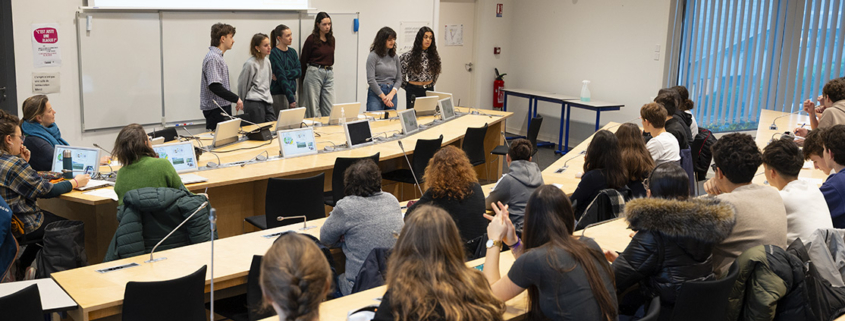 © Sébastien Hervé | UBO
https://www-iuem.univ-brest.fr/lemar/wp-content/uploads/2026/07/anglais-sml-main.jpg
423
1210
Sebastien Herve
https://www-iuem.univ-brest.fr/lemar/wp-content/uploads/2018/10/logo-lemar-big.png
Sebastien Herve2026-07-13 15:15:212026-07-13 15:32:29Enseignement des langues dans le master SML : vers l’anglais et au delà !
 https://www-iuem.univ-brest.fr/lemar/wp-content/uploads/2026/06/Desirer-amerrir-main.jpg
421
1210
Sebastien Herve
https://www-iuem.univ-brest.fr/lemar/wp-content/uploads/2018/10/logo-lemar-big.png
Sebastien Herve2026-06-29 08:47:502026-06-29 08:47:50« Désirer amerrir. Pour une transformation clim-éthique » d’Olivier Ragueneau vient de paraître
 https://www-iuem.univ-brest.fr/lemar/wp-content/uploads/2026/06/Film-Abysses-Arte_main.jpg
423
1210
Sebastien Herve
https://www-iuem.univ-brest.fr/lemar/wp-content/uploads/2018/10/logo-lemar-big.png
Sebastien Herve2026-06-11 12:16:372026-06-11 12:16:37« Abysses, la face cachée des océans » à voir sur Arte.
Publications
Publications récentes
355235
1
apa
4
date
desc
184466
https://www-iuem.univ-brest.fr/lemar/wp-content/plugins/zotpress/
%7B%22status%22%3A%22success%22%2C%22updateneeded%22%3Afalse%2C%22instance%22%3Afalse%2C%22meta%22%3A%7B%22request_last%22%3A0%2C%22request_next%22%3A0%2C%22used_cache%22%3Atrue%7D%2C%22data%22%3A%5B%7B%22key%22%3A%22GPX63J88%22%2C%22library%22%3A%7B%22id%22%3A355235%7D%2C%22meta%22%3A%7B%22creatorSummary%22%3A%22Flores-Valiente%20et%20al.%22%2C%22parsedDate%22%3A%222027-01%22%2C%22numChildren%22%3A0%7D%2C%22bib%22%3A%22%26lt%3Bdiv%20class%3D%26quot%3Bcsl-bib-body%26quot%3B%20style%3D%26quot%3Bline-height%3A%202%3B%20padding-left%3A%201em%3B%20text-indent%3A-1em%3B%26quot%3B%26gt%3B%5Cn%20%20%26lt%3Bdiv%20class%3D%26quot%3Bcsl-entry%26quot%3B%26gt%3BFlores-Valiente%2C%20J.%2C%20Brochier%2C%20T.%2C%20Aguirre-Velarde%2C%20A.%2C%20Rioual%2C%20F.%2C%20Ofelio%2C%20C.%2C%20Lett%2C%20C.%2C%20Colas%2C%20F.%2C%20Tam%2C%20J.%2C%20%26amp%3B%20Pecquerie%2C%20L.%20%282027%29.%20A%20full%20life%20cycle%20Dynamic%20Energy%20Budget%20%28DEB%29%20model%20for%20Peruvian%20anchovy%20Engraulis%20ringens%20in%20the%20northern%20Humboldt%20Current%20system%20%28NHCS%29%20with%20a%20focus%20on%20early-life%20history%20traits.%20%26lt%3Bi%26gt%3BEcological%20Modelling%26lt%3B%5C%2Fi%26gt%3B%2C%20%26lt%3Bi%26gt%3B523%26lt%3B%5C%2Fi%26gt%3B%2C%20111857.%20%26lt%3Ba%20class%3D%26%23039%3Bzp-DOIURL%26%23039%3B%20href%3D%26%23039%3Bhttps%3A%5C%2F%5C%2Fdoi.org%5C%2F10.1016%5C%2Fj.ecolmodel.2026.111857%26%23039%3B%26gt%3Bhttps%3A%5C%2F%5C%2Fdoi.org%5C%2F10.1016%5C%2Fj.ecolmodel.2026.111857%26lt%3B%5C%2Fa%26gt%3B%26lt%3B%5C%2Fdiv%26gt%3B%5Cn%26lt%3B%5C%2Fdiv%26gt%3B%22%2C%22data%22%3A%7B%22itemType%22%3A%22journalArticle%22%2C%22title%22%3A%22A%20full%20life%20cycle%20Dynamic%20Energy%20Budget%20%28DEB%29%20model%20for%20Peruvian%20anchovy%20Engraulis%20ringens%20in%20the%20northern%20Humboldt%20Current%20system%20%28NHCS%29%20with%20a%20focus%20on%20early-life%20history%20traits%22%2C%22creators%22%3A%5B%7B%22creatorType%22%3A%22author%22%2C%22firstName%22%3A%22Jorge%22%2C%22lastName%22%3A%22Flores-Valiente%22%7D%2C%7B%22creatorType%22%3A%22author%22%2C%22firstName%22%3A%22Timothee%22%2C%22lastName%22%3A%22Brochier%22%7D%2C%7B%22creatorType%22%3A%22author%22%2C%22firstName%22%3A%22Arturo%22%2C%22lastName%22%3A%22Aguirre-Velarde%22%7D%2C%7B%22creatorType%22%3A%22author%22%2C%22firstName%22%3A%22Fanny%22%2C%22lastName%22%3A%22Rioual%22%7D%2C%7B%22creatorType%22%3A%22author%22%2C%22firstName%22%3A%22Claudia%22%2C%22lastName%22%3A%22Ofelio%22%7D%2C%7B%22creatorType%22%3A%22author%22%2C%22firstName%22%3A%22Christophe%22%2C%22lastName%22%3A%22Lett%22%7D%2C%7B%22creatorType%22%3A%22author%22%2C%22firstName%22%3A%22Francois%22%2C%22lastName%22%3A%22Colas%22%7D%2C%7B%22creatorType%22%3A%22author%22%2C%22firstName%22%3A%22Jorge%22%2C%22lastName%22%3A%22Tam%22%7D%2C%7B%22creatorType%22%3A%22author%22%2C%22firstName%22%3A%22Laure%22%2C%22lastName%22%3A%22Pecquerie%22%7D%5D%2C%22abstractNote%22%3A%22The%20environmental%20conditions%20of%20the%20northern%20Humboldt%20Current%20system%20%28NHCS%29%20are%20highly%20variable%20and%20will%20evolve%20in%20the%20context%20of%20climate%20change.%20Therefore%2C%20to%20better%20understand%20how%20these%20changing%20conditions%20may%20affect%20the%20species%26%23039%3B%20biological%20processes%2C%20we%20have%20developed%20the%20first%20comprehensive%20Dynamic%20Energy%20Budget%20%28DEB%29%20model%20for%20Peruvian%20anchovy%20%28Engraulis%20ringens%29%2C%20which%20describes%20its%20maturity%2C%20growth%2C%20and%20reproduction%20as%20a%20function%20of%20temperature%20and%20food%20concentration%20experienced%20by%20individuals.%20It%20is%20key%20to%20understand%20how%20these%20environmental%20conditions%20will%20affect%20the%20life%20history%20traits%20of%20this%20keystone%20species%2C%20as%20E.%20ringens%20sustains%20the%20world%26%23039%3Bs%20largest%20single-species%20fisheries%20and%20plays%20a%20crucial%20role%20in%20the%20marine%20food%20web.%20Model%20parameters%20were%20estimated%20using%20data%20on%20larval%20growth%20%28standard%20length%29%20at%20different%20temperatures%20obtained%20from%20laboratory%20experiments%2C%20von%20Bertalanffy%20growth%20curves%20for%20juveniles%20and%20adults%2C%20and%20batch%20fecundity.%20The%20model%20was%20able%20to%20properly%20reproduce%20the%20observed%20growth%20patterns%20in%20length%20and%20weight%20of%20larvae%2C%20juveniles%20and%20adults%2C%20as%20well%20as%20ages%20and%20sizes%20at%20transitions%20between%20life%20stages.%20As%20the%20main%20interest%20was%20focused%20on%20early-life%20stages%20in%20terms%20of%20growth%20and%20survival%20under%20food%20deprivation%20and%20as%20a%20function%20of%20temperature%2C%20we%20developed%20and%20compared%20alternative%20formulations%20to%20describe%20the%20variability%20of%20the%20shape%20coefficient%20during%20early%20life%20stages.%20Results%20will%20be%20particularly%20valuable%20for%20improving%20our%20understanding%20on%20how%20environmental%20conditions%20affect%20larval%20survival%20and%2C%20ultimately%2C%20recruitment%20success.%22%2C%22date%22%3A%22JAN%202027%22%2C%22section%22%3A%22%22%2C%22partNumber%22%3A%22%22%2C%22partTitle%22%3A%22%22%2C%22DOI%22%3A%2210.1016%5C%2Fj.ecolmodel.2026.111857%22%2C%22citationKey%22%3A%22%22%2C%22url%22%3A%22%22%2C%22PMID%22%3A%22%22%2C%22PMCID%22%3A%22%22%2C%22ISSN%22%3A%220304-3800%2C%201872-7026%22%2C%22language%22%3A%22English%22%2C%22collections%22%3A%5B%22QICW69BQ%22%5D%2C%22dateModified%22%3A%222026-10-19T13%3A47%3A42Z%22%7D%7D%2C%7B%22key%22%3A%22U8VHHVPN%22%2C%22library%22%3A%7B%22id%22%3A355235%7D%2C%22meta%22%3A%7B%22creatorSummary%22%3A%22Duperret%20et%20al.%22%2C%22parsedDate%22%3A%222026-12-18%22%2C%22numChildren%22%3A0%7D%2C%22bib%22%3A%22%26lt%3Bdiv%20class%3D%26quot%3Bcsl-bib-body%26quot%3B%20style%3D%26quot%3Bline-height%3A%202%3B%20padding-left%3A%201em%3B%20text-indent%3A-1em%3B%26quot%3B%26gt%3B%5Cn%20%20%26lt%3Bdiv%20class%3D%26quot%3Bcsl-entry%26quot%3B%26gt%3BDuperret%2C%20L.%2C%20Valdivieso%2C%20A.%2C%20Petton%2C%20B.%2C%20Morga%2C%20B.%2C%20Faury%2C%20N.%2C%20de%20Lorgeril%2C%20J.%2C%20Corporeau%2C%20C.%2C%20Degremont%2C%20L.%2C%20Henry%2C%20S.%2C%20Turtoi%2C%20A.%2C%20Pouzadoux%2C%20J.%2C%20Romatif%2C%20O.%2C%20Courtay%2C%20G.%2C%20Monaco%2C%20C.%20J.%2C%20Toulza%2C%20E.%2C%20Lagorce%2C%20A.%2C%20Vidal-Dupiol%2C%20J.%2C%20%26amp%3B%20Mitta%2C%20G.%20%282026%29.%20Protocol%20for%20integrative%20transcriptomic%5C%2Fmetabolomic%20analysis%3A%20A%20case%20study%20on%20factors%20influencing%20the%20oyster-POMS%20disease.%20%26lt%3Bi%26gt%3BStar%20Protocols%26lt%3B%5C%2Fi%26gt%3B%2C%20%26lt%3Bi%26gt%3B7%26lt%3B%5C%2Fi%26gt%3B%284%29%2C%20104875.%20%26lt%3Ba%20class%3D%26%23039%3Bzp-DOIURL%26%23039%3B%20href%3D%26%23039%3Bhttps%3A%5C%2F%5C%2Fdoi.org%5C%2F10.1016%5C%2Fj.xpro.2026.104875%26%23039%3B%26gt%3Bhttps%3A%5C%2F%5C%2Fdoi.org%5C%2F10.1016%5C%2Fj.xpro.2026.104875%26lt%3B%5C%2Fa%26gt%3B%26lt%3B%5C%2Fdiv%26gt%3B%5Cn%26lt%3B%5C%2Fdiv%26gt%3B%22%2C%22data%22%3A%7B%22itemType%22%3A%22journalArticle%22%2C%22title%22%3A%22Protocol%20for%20integrative%20transcriptomic%5C%2Fmetabolomic%20analysis%3A%20A%20case%20study%20on%20factors%20influencing%20the%20oyster-POMS%20disease%22%2C%22creators%22%3A%5B%7B%22creatorType%22%3A%22author%22%2C%22firstName%22%3A%22Leo%22%2C%22lastName%22%3A%22Duperret%22%7D%2C%7B%22creatorType%22%3A%22author%22%2C%22firstName%22%3A%22Alejandro%22%2C%22lastName%22%3A%22Valdivieso%22%7D%2C%7B%22creatorType%22%3A%22author%22%2C%22firstName%22%3A%22Bruno%22%2C%22lastName%22%3A%22Petton%22%7D%2C%7B%22creatorType%22%3A%22author%22%2C%22firstName%22%3A%22Benjamin%22%2C%22lastName%22%3A%22Morga%22%7D%2C%7B%22creatorType%22%3A%22author%22%2C%22firstName%22%3A%22Nicole%22%2C%22lastName%22%3A%22Faury%22%7D%2C%7B%22creatorType%22%3A%22author%22%2C%22firstName%22%3A%22Julien%22%2C%22lastName%22%3A%22de%20Lorgeril%22%7D%2C%7B%22creatorType%22%3A%22author%22%2C%22firstName%22%3A%22Charlotte%22%2C%22lastName%22%3A%22Corporeau%22%7D%2C%7B%22creatorType%22%3A%22author%22%2C%22firstName%22%3A%22Lionel%22%2C%22lastName%22%3A%22Degremont%22%7D%2C%7B%22creatorType%22%3A%22author%22%2C%22firstName%22%3A%22Sylvain%22%2C%22lastName%22%3A%22Henry%22%7D%2C%7B%22creatorType%22%3A%22author%22%2C%22firstName%22%3A%22Andrei%22%2C%22lastName%22%3A%22Turtoi%22%7D%2C%7B%22creatorType%22%3A%22author%22%2C%22firstName%22%3A%22Juliette%22%2C%22lastName%22%3A%22Pouzadoux%22%7D%2C%7B%22creatorType%22%3A%22author%22%2C%22firstName%22%3A%22Oceane%22%2C%22lastName%22%3A%22Romatif%22%7D%2C%7B%22creatorType%22%3A%22author%22%2C%22firstName%22%3A%22Gaelle%22%2C%22lastName%22%3A%22Courtay%22%7D%2C%7B%22creatorType%22%3A%22author%22%2C%22firstName%22%3A%22Cristian%20J.%22%2C%22lastName%22%3A%22Monaco%22%7D%2C%7B%22creatorType%22%3A%22author%22%2C%22firstName%22%3A%22Eve%22%2C%22lastName%22%3A%22Toulza%22%7D%2C%7B%22creatorType%22%3A%22author%22%2C%22firstName%22%3A%22Arnaud%22%2C%22lastName%22%3A%22Lagorce%22%7D%2C%7B%22creatorType%22%3A%22author%22%2C%22firstName%22%3A%22Jeremie%22%2C%22lastName%22%3A%22Vidal-Dupiol%22%7D%2C%7B%22creatorType%22%3A%22author%22%2C%22firstName%22%3A%22Guillaume%22%2C%22lastName%22%3A%22Mitta%22%7D%5D%2C%22abstractNote%22%3A%22Deciphering%20the%20molecular%20mechanisms%20underlying%20complex%20biological%20interactions%20requires%20comprehensive%20approaches%20that%20capture%20these%20interactions%20across%20multiple%20regulatory%20and%20functional%20levels.%20Here%2C%20we%20present%20a%20protocol%20applied%20to%20the%20host-pathogen-environment%20interactions%20underlying%20Pacific%20oyster%20mortality%20syndrome%20%28POMS%29%20in%20Magallana%20gigas.%20We%20describe%20steps%20from%20individual%20transcriptomic%20and%20metabolomic%20workflows%20using%20WGCNA%20and%20FELLA%20packages%2C%20to%20their%20integration%20in%20a%20biologically%20meaningful%20framework.%20This%20protocol%20aims%20to%20move%20omics%20integration%20beyond%20statistical%20correlations%20toward%20functional%20enrichment%20with%20cross-validation%20at%20the%20system%20level.%20For%20complete%20details%20on%20the%20use%20and%20execution%20of%20this%20protocol%2C%20please%20refer%20to%20Duperret%20et%20al.1%22%2C%22date%22%3A%22DEC%2018%202026%22%2C%22section%22%3A%22%22%2C%22partNumber%22%3A%22%22%2C%22partTitle%22%3A%22%22%2C%22DOI%22%3A%2210.1016%5C%2Fj.xpro.2026.104875%22%2C%22citationKey%22%3A%22%22%2C%22url%22%3A%22%22%2C%22PMID%22%3A%22%22%2C%22PMCID%22%3A%22%22%2C%22ISSN%22%3A%222666-1667%22%2C%22language%22%3A%22English%22%2C%22collections%22%3A%5B%22QICW69BQ%22%5D%2C%22dateModified%22%3A%222026-10-19T13%3A50%3A18Z%22%7D%7D%2C%7B%22key%22%3A%22LLK76YDM%22%2C%22library%22%3A%7B%22id%22%3A355235%7D%2C%22meta%22%3A%7B%22creatorSummary%22%3A%22Pinault%20et%20al.%22%2C%22parsedDate%22%3A%222026-12%22%2C%22numChildren%22%3A0%7D%2C%22bib%22%3A%22%26lt%3Bdiv%20class%3D%26quot%3Bcsl-bib-body%26quot%3B%20style%3D%26quot%3Bline-height%3A%202%3B%20padding-left%3A%201em%3B%20text-indent%3A-1em%3B%26quot%3B%26gt%3B%5Cn%20%20%26lt%3Bdiv%20class%3D%26quot%3Bcsl-entry%26quot%3B%26gt%3BPinault%2C%20M.%2C%20Broudic%2C%20L.%2C%20Wickel%2C%20J.%2C%20Nicet%2C%20J.-B.%2C%20Kerninon%2C%20F.%2C%20Ballorain%2C%20K.%2C%20Bajjouk%2C%20T.%2C%20Lepeigneul%2C%20O.%2C%20%26amp%3B%20Bergerot%2C%20B.%20%282026%29.%20Unlocking%20spatial%20ecological%20assessment%20for%20tropical%20seagrass%20habitats%20using%20a%20new%20rapid%20assessment%20method%20%28SEARAM%29.%20%26lt%3Bi%26gt%3BEnvironmental%20and%20Sustainability%20Indicators%26lt%3B%5C%2Fi%26gt%3B%2C%20%26lt%3Bi%26gt%3B32%26lt%3B%5C%2Fi%26gt%3B%2C%20101538.%20%26lt%3Ba%20class%3D%26%23039%3Bzp-DOIURL%26%23039%3B%20href%3D%26%23039%3Bhttps%3A%5C%2F%5C%2Fdoi.org%5C%2F10.1016%5C%2Fj.indic.2026.101538%26%23039%3B%26gt%3Bhttps%3A%5C%2F%5C%2Fdoi.org%5C%2F10.1016%5C%2Fj.indic.2026.101538%26lt%3B%5C%2Fa%26gt%3B%26lt%3B%5C%2Fdiv%26gt%3B%5Cn%26lt%3B%5C%2Fdiv%26gt%3B%22%2C%22data%22%3A%7B%22itemType%22%3A%22journalArticle%22%2C%22title%22%3A%22Unlocking%20spatial%20ecological%20assessment%20for%20tropical%20seagrass%20habitats%20using%20a%20new%20rapid%20assessment%20method%20%28SEARAM%29%22%2C%22creators%22%3A%5B%7B%22creatorType%22%3A%22author%22%2C%22firstName%22%3A%22Mathieu%22%2C%22lastName%22%3A%22Pinault%22%7D%2C%7B%22creatorType%22%3A%22author%22%2C%22firstName%22%3A%22Leo%22%2C%22lastName%22%3A%22Broudic%22%7D%2C%7B%22creatorType%22%3A%22author%22%2C%22firstName%22%3A%22Julien%22%2C%22lastName%22%3A%22Wickel%22%7D%2C%7B%22creatorType%22%3A%22author%22%2C%22firstName%22%3A%22Jean-Benoit%22%2C%22lastName%22%3A%22Nicet%22%7D%2C%7B%22creatorType%22%3A%22author%22%2C%22firstName%22%3A%22Fanny%22%2C%22lastName%22%3A%22Kerninon%22%7D%2C%7B%22creatorType%22%3A%22author%22%2C%22firstName%22%3A%22Katia%22%2C%22lastName%22%3A%22Ballorain%22%7D%2C%7B%22creatorType%22%3A%22author%22%2C%22firstName%22%3A%22Touria%22%2C%22lastName%22%3A%22Bajjouk%22%7D%2C%7B%22creatorType%22%3A%22author%22%2C%22firstName%22%3A%22Oriane%22%2C%22lastName%22%3A%22Lepeigneul%22%7D%2C%7B%22creatorType%22%3A%22author%22%2C%22firstName%22%3A%22Benjamin%22%2C%22lastName%22%3A%22Bergerot%22%7D%5D%2C%22abstractNote%22%3A%22Seagrass%20meadows%20are%20key%20coastal%20ecosystems%20supporting%20biodiversity%2C%20carbon%20storage%2C%20and%20essential%20trophic%20functions%2C%20yet%20they%20are%20increasingly%20threatened%20by%20anthropogenic%20and%20climatic%20pressures.%20Based%20on%20the%20Seagrass%20Meadows%20Rapid%20Assessment%20Method%20%28SEARAM%29%2C%20a%20standardized%20protocol%20grounded%20in%20seagrass%20biodiversity%20indicators%20%28SBIs%29%2C%20we%20developed%20a%20reliable%20and%20operational%20index%20to%20assess%20seagrass%20ecological%20state%20at%20high%20spatial%20resolution.%20Using%20536%20circular%20plots%20and%20144%20faunal%20stations%20across%20three%20intertidal%20reef%20habitats%20in%20Mayotte%20%28Western%20Indian%20Ocean%29%2C%20SEARAM%20integrates%20structural%20and%20vitality%20sub-indices%20into%20a%20composite%20seagrass%20ecological%20state%20index%20%28SESI%29%2C%20spatialized%20by%20geostatistical%20interpolation%20and%20analyzed%20using%20ANOVA%2C%20PCA%2C%20and%20multiple%20regression%20models.%20Results%20revealed%20highly%20fragmented%20meadows%20dominated%20by%20Halodule%20uninervis%20and%20Halophila%20ovalis%2C%20with%20low%20canopy%20height%20%285%20f%202%20cm%29%20and%20substantial%20epiphyte%20loads%20%2837%20f%2017%25%29.%20The%20inner%20fringing%20reef%20flat%20showed%20the%20poorest%20ecological%20state%20%28SESI%20%3D%204.8%20f%200.7%5C%2F10%29%2C%20whereas%20the%20barrier%20reef%20%285.4%20f%200.8%5C%2F10%29%20and%20exposed%20fringing%20reef%20flat%20%285.6%20f%200.8%5C%2F10%29%20exhibited%20moderate%20scores.%20Key%20environmental%20drivers%20%28turbidity%2C%20grain%20size%2C%20pH%29%2C%20significantly%20explained%20spatial%20patterns%20of%20seagrass%20structure%20and%20vitality%2C%20confirming%20the%20influence%20of%20sediment%20and%20light%20regimes.%20Functional%20relationships%20were%20also%20demonstrated%20between%20seagrass%20condition%20and%20associated%20fauna%2C%20particularly%20green%20turtle%20density%20and%20dugong%20feeding%20traces.%20SEARAM%20proved%20to%20be%20a%20rapid%20and%20robust%20tool%20for%20diagnosing%20tropical%20seagrass%20states.%20Its%20multimetric%20framework%20connects%20benthic%20condition%20to%20habitat%20suitability%20for%20megafauna%2C%20offering%20an%20operational%20foundation%20for%20ecological%20monitoring%2C%20management%2C%20and%20impact%20mitigation%20within%20the%20Avoid-Reduce-Offset%20%28ARO%29%20doctrine.%22%2C%22date%22%3A%22DEC%202026%22%2C%22section%22%3A%22%22%2C%22partNumber%22%3A%22%22%2C%22partTitle%22%3A%22%22%2C%22DOI%22%3A%2210.1016%5C%2Fj.indic.2026.101538%22%2C%22citationKey%22%3A%22%22%2C%22url%22%3A%22https%3A%5C%2F%5C%2Fwww.webofscience.com%5C%2Fapi%5C%2Fgateway%3FGWVersion%3D2%26SrcAuth%3DGetFTR%26SrcApp%3DWOS%26DestURL%3Dhttps%253A%252F%252Fct.prod.getft.io%252FY2xhcml2YXRlLGVsc2V2aWVyLE1UQXVNVEF4Tmk5cUxtbHVaR2xqTGpJd01qWXVNVEF4TlRNNCxNR1F6WlRjM1l6RXROR1U0WmkwME1EZGxMV0UyWTJNdFpqWmlNemxtTkRjNU5EWTIsaHR0cHM6Ly93d3cuc2NpZW5jZWRpcmVjdC5jb20vc2NpZW5jZS9hcnRpY2xlL3BpaS9TMjY2NTk3MjcyNjAwNDI3Nz9wZXM9dm9y.gIZz7Js1oRs1jBUYcG_Nn2Ut9jO6VrjN28xxY_xYANU%26DestApp%3DGetFTR%26SrcItemId%3DWOS%3A001885659300001%26SrcAppSID%3DEUW1ED0E78AdD1vp1n6lIaAfsPL2D%26HMAC%3DckI0z8feQ2Lg4wV50vQPphg6mnoD25PzZtYvGiNoakc%253D%22%2C%22PMID%22%3A%22%22%2C%22PMCID%22%3A%22%22%2C%22ISSN%22%3A%222665-9727%22%2C%22language%22%3A%22English%22%2C%22collections%22%3A%5B%22QICW69BQ%22%5D%2C%22dateModified%22%3A%222026-10-16T13%3A02%3A22Z%22%7D%7D%2C%7B%22key%22%3A%22RURYZD4P%22%2C%22library%22%3A%7B%22id%22%3A355235%7D%2C%22meta%22%3A%7B%22creatorSummary%22%3A%22De%20Cubber%20et%20al.%22%2C%22parsedDate%22%3A%222026-12%22%2C%22numChildren%22%3A0%7D%2C%22bib%22%3A%22%26lt%3Bdiv%20class%3D%26quot%3Bcsl-bib-body%26quot%3B%20style%3D%26quot%3Bline-height%3A%202%3B%20padding-left%3A%201em%3B%20text-indent%3A-1em%3B%26quot%3B%26gt%3B%5Cn%20%20%26lt%3Bdiv%20class%3D%26quot%3Bcsl-entry%26quot%3B%26gt%3BDe%20Cubber%2C%20L.%2C%20Horton%2C%20M.%2C%20Groenewald%2C%20G.%2C%20Pecquerie%2C%20L.%2C%20Huret%2C%20M.%2C%20van%20der%20Lingen%2C%20C.%2C%20%26amp%3B%20Maury%2C%20O.%20%282026%29.%20A%20generalised%20Dynamic%20Energy%20Budget%20model%20including%203D%20shape%20changes%20for%20modelling%20fish%20growth%3A%20Application%20to%20the%20European%20anchovy%20Engraulis%20encrasicolus.%20%26lt%3Bi%26gt%3BEcological%20Modelling%26lt%3B%5C%2Fi%26gt%3B%2C%20%26lt%3Bi%26gt%3B522%26lt%3B%5C%2Fi%26gt%3B%2C%20111827.%20%26lt%3Ba%20class%3D%26%23039%3Bzp-DOIURL%26%23039%3B%20href%3D%26%23039%3Bhttps%3A%5C%2F%5C%2Fdoi.org%5C%2F10.1016%5C%2Fj.ecolmodel.2026.111827%26%23039%3B%26gt%3Bhttps%3A%5C%2F%5C%2Fdoi.org%5C%2F10.1016%5C%2Fj.ecolmodel.2026.111827%26lt%3B%5C%2Fa%26gt%3B%26lt%3B%5C%2Fdiv%26gt%3B%5Cn%26lt%3B%5C%2Fdiv%26gt%3B%22%2C%22data%22%3A%7B%22itemType%22%3A%22journalArticle%22%2C%22title%22%3A%22A%20generalised%20Dynamic%20Energy%20Budget%20model%20including%203D%20shape%20changes%20for%20modelling%20fish%20growth%3A%20Application%20to%20the%20European%20anchovy%20Engraulis%20encrasicolus%22%2C%22creators%22%3A%5B%7B%22creatorType%22%3A%22author%22%2C%22firstName%22%3A%22Lola%22%2C%22lastName%22%3A%22De%20Cubber%22%7D%2C%7B%22creatorType%22%3A%22author%22%2C%22firstName%22%3A%22Matthew%22%2C%22lastName%22%3A%22Horton%22%7D%2C%7B%22creatorType%22%3A%22author%22%2C%22firstName%22%3A%22Grea%22%2C%22lastName%22%3A%22Groenewald%22%7D%2C%7B%22creatorType%22%3A%22author%22%2C%22firstName%22%3A%22Laure%22%2C%22lastName%22%3A%22Pecquerie%22%7D%2C%7B%22creatorType%22%3A%22author%22%2C%22firstName%22%3A%22Martin%22%2C%22lastName%22%3A%22Huret%22%7D%2C%7B%22creatorType%22%3A%22author%22%2C%22firstName%22%3A%22Carl%22%2C%22lastName%22%3A%22van%20der%20Lingen%22%7D%2C%7B%22creatorType%22%3A%22author%22%2C%22firstName%22%3A%22Olivier%22%2C%22lastName%22%3A%22Maury%22%7D%5D%2C%22abstractNote%22%3A%22Understanding%20the%20growth%20patterns%20of%20pelagic%20fish%20from%20early%20life%20stages%20to%20adulthood%20is%20crucial%20for%20predicting%20larval%20survival%20and%20predator-prey%20dynamics.%20Dynamic%20Energy%20Budget%20%28DEB%29%20models%20are%20valuable%20tools%20for%20predicting%20these%20patterns%20in%20dynamic%20environments.%20Traditionally%2C%20DEB%20models%20assume%20either%20isomorphic%20growth%20or%20a%20metabolic%20acceleration%20phase%20between%20initial%20feeding%20and%20metamorphosis%2C%20formalised%20through%20the%20V1-morphic%20assumption%2C%20an%20approach%20that%20captures%20the%20broad%20pattern%20of%20accelerated%20early%20growth%20but%20does%20not%20explicitly%20link%20metabolic%20rates%20to%20the%20underlying%20changes%20in%20body%20geometry%20and%20their%20consequences%20on%20structural%20surface-to-volume%20ratios.%20We%20propose%20an%20alternative%20DEB-based%20growth%20model%20that%20captures%20deviations%20from%20pure%20isomorphy%20mechanistically%20by%20representing%20the%20fish%26%23039%3Bs%20structural%20body%20as%20a%203D%20ellipsoid%20and%20allocating%20volumetric%20growth%20to%20length%2C%20height%2C%20and%20width%20differentially%2C%20based%20on%20the%20distance%20between%20the%20current%20shape%20and%20a%20stage-dependent%20characteristic%20attractor.%20The%20resulting%20changes%20in%20structural%20surface-to-volume%20ratios%20provide%20a%20mechanistic%20explanation%20for%20the%20metabolic%20acceleration%20phenomenon%20observed%20during%20early%20life%20stages%2C%20explicitly%20linking%20body%20geometry%20to%20metabolic%20rates%20rather%20than%20relying%20on%20the%20V1-morphic%20assumption%20alone.%20Model%20parameters%20for%20the%20European%20anchovy%20%28Engraulis%20encrasicolus%29%20were%20estimated%20using%20growth%2C%20shape%2C%20reproduction%2C%20and%20temperature%20data%20spanning%20all%20life%20stages%2C%20from%20two%20contrasting%20environments%20%28Bay%20of%20Biscay%20and%20South%20African%20waters%29.%20The%20calibrated%20model%20accurately%20reproduces%20observed%20deviations%20from%20isomorphy%2C%20and%20reproduces%20early%20larval%20growth%20more%20closely%20than%20the%20von%20Bertalanffy%20and%20abj-DEB%20parameterisations%20available%20for%20this%20species%2C%20which%20were%20estimated%20without%20these%20data.%20This%20accelerated%20early%20growth%2C%20emerging%20mechanistically%20from%20shape-transition%20dynamics%2C%20has%20the%20potential%20to%20significantly%20improve%20our%20understanding%20of%20larval%20survival%2C%20predator-prey%20dynamics%2C%20and%20ecosystem%20functioning.%22%2C%22date%22%3A%22DEC%202026%22%2C%22section%22%3A%22%22%2C%22partNumber%22%3A%22%22%2C%22partTitle%22%3A%22%22%2C%22DOI%22%3A%2210.1016%5C%2Fj.ecolmodel.2026.111827%22%2C%22citationKey%22%3A%22%22%2C%22url%22%3A%22https%3A%5C%2F%5C%2Fwww.webofscience.com%5C%2Fapi%5C%2Fgateway%3FGWVersion%3D2%26SrcAuth%3DGetFTR%26SrcApp%3DWOS%26DestURL%3Dhttps%253A%252F%252Fct.prod.getft.io%252FY2xhcml2YXRlLGVsc2V2aWVyLE1UQXVNVEF4Tmk5cUxtVmpiMnh0YjJSbGJDNHlNREkyTGpFeE1UZ3lOdyxOekU1T1RJNVlXSXRNbU5tTkMwMFlqTXhMVGhsTWpBdE5EZGxOak13WVRNMlkyTXksaHR0cHM6Ly93d3cuc2NpZW5jZWRpcmVjdC5jb20vc2NpZW5jZS9hcnRpY2xlL3BpaS9TMDMwNDM4MDAyNjAwMzU0Nj9wZXM9dm9y.w-rZij8QYkpBNrQP36mXAc2ZvxzKOT9sjTnItSiyN4I%26DestApp%3DGetFTR%26SrcItemId%3DWOS%3A001875618000001%26SrcAppSID%3DEUW1ED0B78cU1v80koMgJcU6kKatt%26HMAC%3Dzo96ykM4L5RHosBzOTA5cexZUk7qYqBaOxMs8jhbg9k%253D%22%2C%22PMID%22%3A%22%22%2C%22PMCID%22%3A%22%22%2C%22ISSN%22%3A%220304-3800%2C%201872-7026%22%2C%22language%22%3A%22English%22%2C%22collections%22%3A%5B%22QICW69BQ%22%5D%2C%22dateModified%22%3A%222026-09-22T10%3A07%3A18Z%22%7D%7D%5D%7D
Flores-Valiente, J., Brochier, T., Aguirre-Velarde, A., Rioual, F., Ofelio, C., Lett, C., Colas, F., Tam, J., & Pecquerie, L. (2027). A full life cycle Dynamic Energy Budget (DEB) model for Peruvian anchovy Engraulis ringens in the northern Humboldt Current system (NHCS) with a focus on early-life history traits. Ecological Modelling, 523, 111857. https://doi.org/10.1016/j.ecolmodel.2026.111857
Duperret, L., Valdivieso, A., Petton, B., Morga, B., Faury, N., de Lorgeril, J., Corporeau, C., Degremont, L., Henry, S., Turtoi, A., Pouzadoux, J., Romatif, O., Courtay, G., Monaco, C. J., Toulza, E., Lagorce, A., Vidal-Dupiol, J., & Mitta, G. (2026). Protocol for integrative transcriptomic/metabolomic analysis: A case study on factors influencing the oyster-POMS disease. Star Protocols, 7(4), 104875. https://doi.org/10.1016/j.xpro.2026.104875
Pinault, M., Broudic, L., Wickel, J., Nicet, J.-B., Kerninon, F., Ballorain, K., Bajjouk, T., Lepeigneul, O., & Bergerot, B. (2026). Unlocking spatial ecological assessment for tropical seagrass habitats using a new rapid assessment method (SEARAM). Environmental and Sustainability Indicators, 32, 101538. https://doi.org/10.1016/j.indic.2026.101538
De Cubber, L., Horton, M., Groenewald, G., Pecquerie, L., Huret, M., van der Lingen, C., & Maury, O. (2026). A generalised Dynamic Energy Budget model including 3D shape changes for modelling fish growth: Application to the European anchovy Engraulis encrasicolus. Ecological Modelling, 522, 111827. https://doi.org/10.1016/j.ecolmodel.2026.111827
 https://www-iuem.univ-brest.fr/lemar/wp-content/uploads/2025/11/Agulhas_current_iron_leakage-main.jpg
421
1210
Sebastien Herve
https://www-iuem.univ-brest.fr/lemar/wp-content/uploads/2018/10/logo-lemar-big.png
Sebastien Herve2025-11-12 14:35:002025-11-12 14:36:39Les Efflorescences phytoplanctoniques subantarctiques dans l’ouest de l’océan Indien sont fertilisées par des eaux riches en fer du courant des Aiguilles