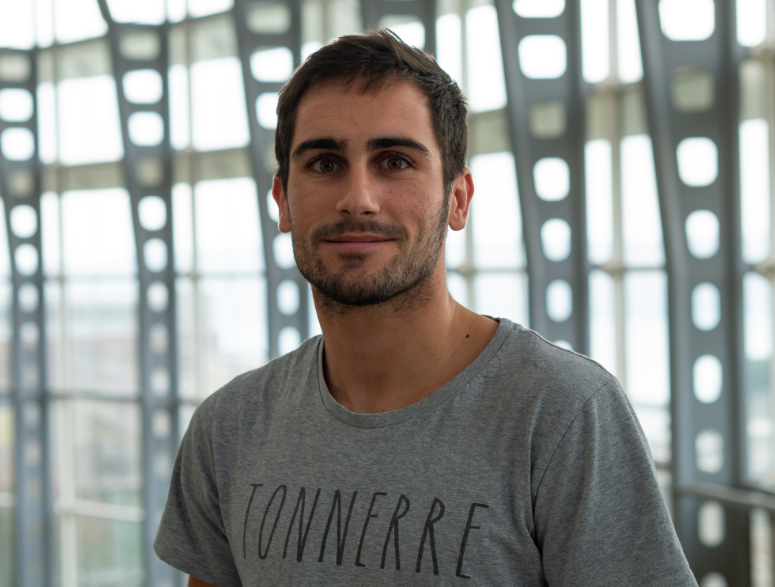
Marc LONG

Ecologie chimique du plancton, physiologie des microalgues, microalgues toxiques

Chargé de recherche
CNRS

Affectation

Laboratoire LEMAR

Panorama

Contact

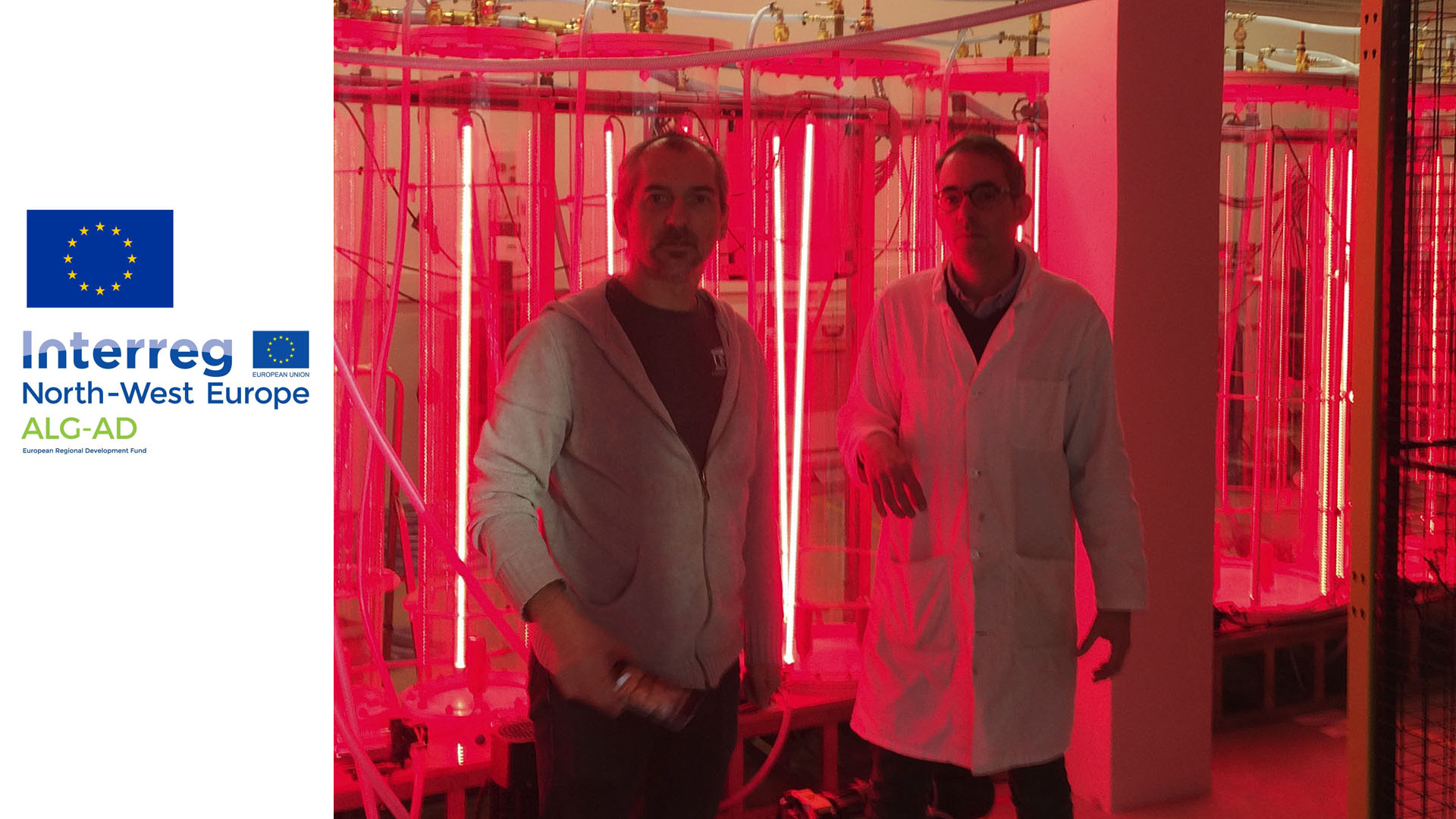
J’ai été recruté Chargé de Recherche au CNRS en 2022 en section 30. Après avoir commencé à travailler en tant qu’assistant ingénieur en 2011 au LEMAR, j’ai réalisé ma thèse en cotutelle entre l’Université de Wollongong (Australie) et l’Université de Bretagne Occidentale (au LEMAR) sur les interactions allélopathiques entre microalgues. J’ai ensuite réalisé un postdoctorat au laboratoire DYNECO d’Ifremer, en collaboration avec la Station Biologique de Roscoff sur les interactions entre dinoflagellés et leurs parasites (Projets PARACIDE et PARALLAX). J’ai aussi travaillé sur la mixotrophie des dinoflagellés (Projet EXAM) au laboratoire DYNECO d’Ifremer, et comme ingénieur au LEMAR dans le cadre du projet ALG-AD.

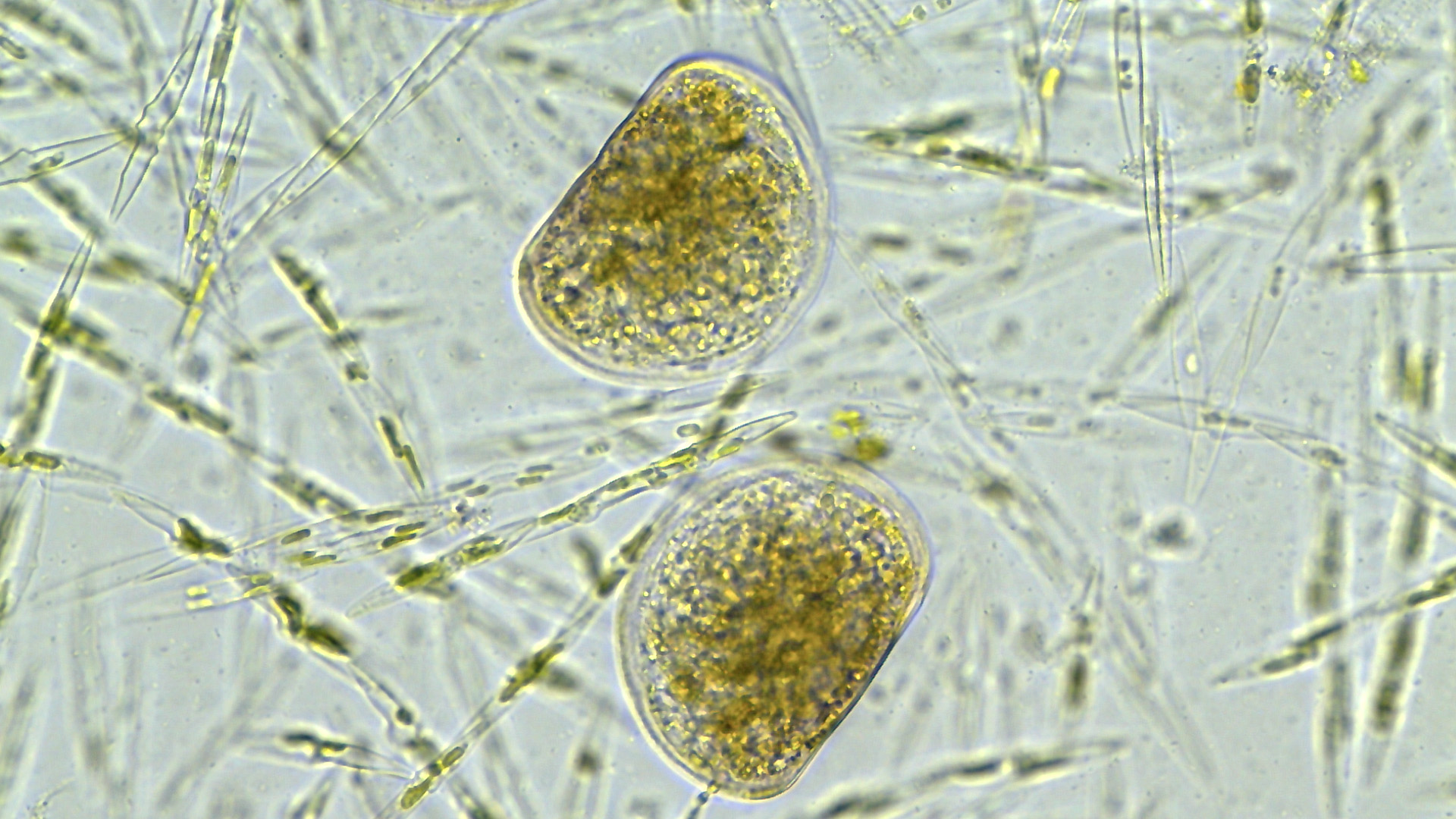
Mes recherches portent sur le rôle des interactions chimiques (ou communication chimique) dans l’écologie du plancton. Je m’intéresse principalement aux « interactions allélopathiques », c’est-à-dire aux interactions entre un micro-organisme photosynthétique (microalgues, cyanobactéries) et les organismes cooccurrents (phyto-mixo-zoo-plancton) qui sont médiées par la libération de métabolites secondaires dans l’eau de mer. Ces interactions peuvent donner un avantage aux microalgues allélopathiques, car elles permettent d’éliminer les concurrents, d’immobiliser les proies, de limiter le broutage ou même de protéger contre les parasites. Alors que ces composés sont les médiateurs d’une guerre chimique en mer, la nature des composés, les espèces de microalgues allélopathiques ainsi que les conséquences écologiques et biogéochimiques de ces interactions restent largement inconnues.
Mon objectif est de décrire ces interactions afin de comprendre leurs conséquences sur les proliférations de microalgues (y compris les proliférations d’algues nuisibles), et plus largement sur les écosystèmes planctoniques ou sur les cycles biogéochimiques. J’utilise une variété de méthodes de culture (par ex. culture classiques, cocultures, roller-tanks) et de techniques physiologiques (par ex. fluorométrie, cytométrie en flux, microscopie, imagerie quantitative) pour décrire ces interactions et leurs effets sur les écosystèmes marins.

355235 ACL long 1 apa 50 default desc 1 Long, M. 184167 https://www-iuem.univ-brest.fr/lemar/wp-content/plugins/zotpress/
%7B%22status%22%3A%22success%22%2C%22updateneeded%22%3Afalse%2C%22instance%22%3Afalse%2C%22meta%22%3A%7B%22request_last%22%3A150%2C%22request_next%22%3A50%2C%22used_cache%22%3Atrue%7D%2C%22data%22%3A%5B%7B%22key%22%3A%228V6L5ZKK%22%2C%22library%22%3A%7B%22id%22%3A355235%7D%2C%22meta%22%3A%7B%22creatorSummary%22%3A%22Ventura%20et%20al.%22%2C%22parsedDate%22%3A%222025-08-21%22%2C%22numChildren%22%3A0%7D%2C%22bib%22%3A%22%26lt%3Bdiv%20class%3D%26quot%3Bcsl-bib-body%26quot%3B%20style%3D%26quot%3Bline-height%3A%202%3B%20padding-left%3A%201em%3B%20text-indent%3A-1em%3B%26quot%3B%26gt%3B%5Cn%20%20%26lt%3Bdiv%20class%3D%26quot%3Bcsl-entry%26quot%3B%26gt%3BVentura%2C%20M.%2C%20Monferrer%2C%20N.%20L.%2C%20%26lt%3Bstrong%26gt%3BLong%2C%20M.%26lt%3B%5C%2Fstrong%26gt%3B%2C%20Chauchat%2C%20L.%2C%20Le%20Goic%2C%20N.%2C%20Le%20Grand%2C%20F.%2C%20%26amp%3B%20Soudant%2C%20P.%20%282025%29.%20Modulation%20of%20Membrane%20and%20Reserve%20Fatty%20Acids%20of%20the%20Thraustochytrid%20Aurantiochytrium%20mangrovei%20by%20Light%20and%20Temperature%20Culture%20Conditions.%20%26lt%3Bi%26gt%3BLipids%26lt%3B%5C%2Fi%26gt%3B.%20%26lt%3Ba%20class%3D%26%23039%3Bzp-DOIURL%26%23039%3B%20href%3D%26%23039%3Bhttps%3A%5C%2F%5C%2Fdoi.org%5C%2F10.1002%5C%2Flipd.70001%26%23039%3B%26gt%3Bhttps%3A%5C%2F%5C%2Fdoi.org%5C%2F10.1002%5C%2Flipd.70001%26lt%3B%5C%2Fa%26gt%3B%20%26lt%3Ba%20title%3D%26%23039%3BCite%20in%20RIS%20Format%26%23039%3B%20class%3D%26%23039%3Bzp-CiteRIS%26%23039%3B%20data-zp-cite%3D%26%23039%3Bapi_user_id%3D355235%26amp%3Bitem_key%3D8V6L5ZKK%26%23039%3B%20href%3D%26%23039%3Bjavascript%3Avoid%280%29%3B%26%23039%3B%26gt%3BCite%26lt%3B%5C%2Fa%26gt%3B%20%26lt%3B%5C%2Fdiv%26gt%3B%5Cn%26lt%3B%5C%2Fdiv%26gt%3B%22%2C%22data%22%3A%7B%22itemType%22%3A%22journalArticle%22%2C%22title%22%3A%22Modulation%20of%20Membrane%20and%20Reserve%20Fatty%20Acids%20of%20the%20Thraustochytrid%20Aurantiochytrium%20mangrovei%20by%20Light%20and%20Temperature%20Culture%20Conditions%22%2C%22creators%22%3A%5B%7B%22creatorType%22%3A%22author%22%2C%22firstName%22%3A%22Mariana%22%2C%22lastName%22%3A%22Ventura%22%7D%2C%7B%22creatorType%22%3A%22author%22%2C%22firstName%22%3A%22Natalia%20Llopis%22%2C%22lastName%22%3A%22Monferrer%22%7D%2C%7B%22creatorType%22%3A%22author%22%2C%22firstName%22%3A%22Marc%22%2C%22lastName%22%3A%22Long%22%7D%2C%7B%22creatorType%22%3A%22author%22%2C%22firstName%22%3A%22Luc%22%2C%22lastName%22%3A%22Chauchat%22%7D%2C%7B%22creatorType%22%3A%22author%22%2C%22firstName%22%3A%22Nelly%22%2C%22lastName%22%3A%22Le%20Goic%22%7D%2C%7B%22creatorType%22%3A%22author%22%2C%22firstName%22%3A%22Fabienne%22%2C%22lastName%22%3A%22Le%20Grand%22%7D%2C%7B%22creatorType%22%3A%22author%22%2C%22firstName%22%3A%22Philippe%22%2C%22lastName%22%3A%22Soudant%22%7D%5D%2C%22abstractNote%22%3A%22This%20study%20aimed%20to%20investigate%20the%20effects%20of%20temperature%2C%20illumination%2C%20and%20growth%20stage%20on%20the%20cell%20morphology%2C%20lipid%20content%2C%20and%20fatty%20acid%20%28FA%29%20composition%20in%20neutral%20lipids%20%28NL%29%20and%20polar%20lipids%20%28PL%29%20of%20Aurantiochytrium%20mangrovei%2C%20a%20thraustochytrid%2C%20widely%20known%20for%20its%20capacity%20to%20accumulate%20docosahexaenoic%20acid%20%2822%3A6n-3%2C%20DHA%29.%20Experiments%20were%20conducted%20at%20three%20different%20temperatures%20%2815%20degrees%20C%2C%2020%20degrees%20C%2C%20and%2025%20degrees%20C%29%20under%20both%20illuminated%20and%20non-illuminated%20conditions.%20Illumination%20of%20the%20culture%20significantly%20increased%20OCFA%20%2815%3A0%20%2B%2017%3A0%29%20in%20PL%20by%2042%25%2C%206%25%2C%20and%2011%25%20at%2015%20degrees%20C%2C%2020%20degrees%20C%2C%20and%2025%20degrees%20C.%20Proportions%20of%2015%3A0%20%2B%2017%3A0%20in%20NL%20and%20PL%20increased%20with%20increasing%20temperature%2C%20being%20highest%20at%2020%20degrees%20C%20in%20the%20exponential%20phase%20%287%25%20in%20PL%20and%209%25%20in%20NL%29%20and%20at%2025%20degrees%20C%20in%20the%20stationary%20phase%20%2815%25%20in%20PL%20and%2032%25%20in%20NL%29.%20The%20temperature%20also%20increased%20the%20DPAn-6%20proportion%20during%20the%20exponential%20phase%2C%20from%202.5%25%20to%205.9%25%20in%20NL%20and%20from%205.5%25%20to%2011%25%20in%20PL%2C%20whereas%20DHA%20%2822%3A6n-3%29%20tended%20to%20decrease.%20The%20resulting%20DHA%5C%2FDocosapentaenoic%20acid%20%2822%3A5n-6%2C%20DPAn-6%29%20ratio%20in%20both%20NL%20and%20PL%20was%20highest%20in%20cultures%20at%2015%20degrees%20C%20during%20the%20exponential%20phase.%20Cultivation%20of%20A.%20mangrovei%20at%2015%20degrees%20C%20was%20favorable%20to%20a%20high%20DHA%20proportion%20%2861%25%20of%20total%20FA%20in%20PL%20and%2068%25%20in%20NL%29%20and%20a%20high%20DHA%5C%2FDPAn-6%20%28%26gt%3B%2011%20in%20PL%20and%2023%20in%20NL%29%20ratio%20during%20the%20exponential%20phase.%20Further%20research%20is%20needed%20to%20better%20understand%20why%20DHA%20and%20DPAn-6%2C%20two%20very%20long-chain%20PUFA%2C%20are%20regulated%20in%20an%20opposite%20manner%20in%20response%20to%20changing%20temperature.%22%2C%22date%22%3A%222025%20AUG%2021%22%2C%22section%22%3A%22%22%2C%22partNumber%22%3A%22%22%2C%22partTitle%22%3A%22%22%2C%22DOI%22%3A%2210.1002%5C%2Flipd.70001%22%2C%22citationKey%22%3A%22%22%2C%22url%22%3A%22%22%2C%22PMID%22%3A%22%22%2C%22PMCID%22%3A%22%22%2C%22ISSN%22%3A%220024-4201%2C%201558-9307%22%2C%22language%22%3A%22English%22%2C%22collections%22%3A%5B%22UTIXZUL6%22%5D%2C%22dateModified%22%3A%222025-09-04T15%3A17%3A21Z%22%7D%7D%2C%7B%22key%22%3A%22PRMXIB2P%22%2C%22library%22%3A%7B%22id%22%3A355235%7D%2C%22meta%22%3A%7B%22creatorSummary%22%3A%22Ventura%20et%20al.%22%2C%22parsedDate%22%3A%222024-07%22%2C%22numChildren%22%3A0%7D%2C%22bib%22%3A%22%26lt%3Bdiv%20class%3D%26quot%3Bcsl-bib-body%26quot%3B%20style%3D%26quot%3Bline-height%3A%202%3B%20padding-left%3A%201em%3B%20text-indent%3A-1em%3B%26quot%3B%26gt%3B%5Cn%20%20%26lt%3Bdiv%20class%3D%26quot%3Bcsl-entry%26quot%3B%26gt%3BVentura%2C%20M.%2C%20Oroy%2C%20C.%2C%20Monferrer%2C%20N.%20L.%2C%20Le%20Grand%2C%20F.%2C%20%26lt%3Bstrong%26gt%3BLong%2C%20M.%26lt%3B%5C%2Fstrong%26gt%3B%2C%20Foulon%2C%20V.%2C%20Chauchat%2C%20L.%2C%20de%20la%20Broise%2C%20D.%2C%20Guerard%2C%20F.%2C%20%26amp%3B%20Soudant%2C%20P.%20%282024%29.%20Hydrolysis%20Optimization%20of%20Thraustochytrid%20%28Heterotrophic%20Protist%29%20Biomass%20for%20the%20Production%20of%20a%20New%20and%20Sustainable%20Ingredient%20for%20the%20Aquafeed%20Industry.%20%26lt%3Bi%26gt%3BSUSTAINABILITY%26lt%3B%5C%2Fi%26gt%3B%2C%20%26lt%3Bi%26gt%3B16%26lt%3B%5C%2Fi%26gt%3B%2814%29%2C%206052.%20%26lt%3Ba%20class%3D%26%23039%3Bzp-DOIURL%26%23039%3B%20href%3D%26%23039%3Bhttps%3A%5C%2F%5C%2Fdoi.org%5C%2F10.3390%5C%2Fsu16146052%26%23039%3B%26gt%3Bhttps%3A%5C%2F%5C%2Fdoi.org%5C%2F10.3390%5C%2Fsu16146052%26lt%3B%5C%2Fa%26gt%3B%20%26lt%3Ba%20title%3D%26%23039%3BCite%20in%20RIS%20Format%26%23039%3B%20class%3D%26%23039%3Bzp-CiteRIS%26%23039%3B%20data-zp-cite%3D%26%23039%3Bapi_user_id%3D355235%26amp%3Bitem_key%3DPRMXIB2P%26%23039%3B%20href%3D%26%23039%3Bjavascript%3Avoid%280%29%3B%26%23039%3B%26gt%3BCite%26lt%3B%5C%2Fa%26gt%3B%20%26lt%3B%5C%2Fdiv%26gt%3B%5Cn%26lt%3B%5C%2Fdiv%26gt%3B%22%2C%22data%22%3A%7B%22itemType%22%3A%22journalArticle%22%2C%22title%22%3A%22Hydrolysis%20Optimization%20of%20Thraustochytrid%20%28Heterotrophic%20Protist%29%20Biomass%20for%20the%20Production%20of%20a%20New%20and%20Sustainable%20Ingredient%20for%20the%20Aquafeed%20Industry%22%2C%22creators%22%3A%5B%7B%22creatorType%22%3A%22author%22%2C%22firstName%22%3A%22Mariana%22%2C%22lastName%22%3A%22Ventura%22%7D%2C%7B%22creatorType%22%3A%22author%22%2C%22firstName%22%3A%22Cloe%22%2C%22lastName%22%3A%22Oroy%22%7D%2C%7B%22creatorType%22%3A%22author%22%2C%22firstName%22%3A%22Natalia%20Llopis%22%2C%22lastName%22%3A%22Monferrer%22%7D%2C%7B%22creatorType%22%3A%22author%22%2C%22firstName%22%3A%22Fabienne%22%2C%22lastName%22%3A%22Le%20Grand%22%7D%2C%7B%22creatorType%22%3A%22author%22%2C%22firstName%22%3A%22Marc%22%2C%22lastName%22%3A%22Long%22%7D%2C%7B%22creatorType%22%3A%22author%22%2C%22firstName%22%3A%22Valentin%22%2C%22lastName%22%3A%22Foulon%22%7D%2C%7B%22creatorType%22%3A%22author%22%2C%22firstName%22%3A%22Luc%22%2C%22lastName%22%3A%22Chauchat%22%7D%2C%7B%22creatorType%22%3A%22author%22%2C%22firstName%22%3A%22Denis%22%2C%22lastName%22%3A%22de%20la%20Broise%22%7D%2C%7B%22creatorType%22%3A%22author%22%2C%22firstName%22%3A%22Fabienne%22%2C%22lastName%22%3A%22Guerard%22%7D%2C%7B%22creatorType%22%3A%22author%22%2C%22firstName%22%3A%22Philippe%22%2C%22lastName%22%3A%22Soudant%22%7D%5D%2C%22abstractNote%22%3A%22Thraustochytrids%20biomass%2C%20rich%20in%20docosahexaenoic%20acid%20%28DHA%29%2C%20could%20be%20a%20sustainable%20ingredient%20for%20the%20aquafeed%20industry.%20However%2C%20its%20production%20cost%20renders%20it%20less%20competitive%20than%20fishmeal%20and%20fish%20oil%20from%20wild-caught%20fish.%20This%20study%20proposes%20optimizing%20the%20hydrolysis%20conditions%20of%20thraustochytrid%20biomass%20to%20generate%20an%20ingredient%20with%20improved%20properties%20thanks%20to%20the%20production%20of%20peptides%20with%20different%20biological%20activities.%20The%20improved%20nutritional%20value%20of%20the%20biomass%20could%20justify%20its%20use%20to%20decrease%20the%20amount%20of%20wild-caught%20fish%20in%20aquafeed%2C%20which%20would%20enhance%20the%20sustainability%20of%20fish%20aquaculture.%20First%2C%20two%20commercial%20proteases%2C%20Papain%20and%20Alcalase%202.4L%2C%20were%20compared%20for%20their%20capacity%20to%20hydrolyze%20the%20biomass.%20The%20best%20degree%20of%20hydrolysis%20%2819%20%2B%5C%2F-%201%25%29%20was%20obtained%20with%20Alcalase%202.4L%2C%20which%20was%20then%20used%20for%20the%20optimization%20of%20the%20pH%2C%20enzyme%20concentration%20and%20reaction%20time%20using%20response%20surface%20methodology.%20The%20results%20showed%20that%20the%20highest%20concentration%20of%20peptides%20and%20DHA%20in%20the%20aqueous%20phase%20was%20obtained%20with%20a%20pH%2C%20enzyme%20concentration%20and%20reaction%20time%20of%207.5%2C%202.7%25%20and%20205%20min%2C%20respectively.%20If%20thraustochytrid%20hydrolysates%20prove%20to%20improve%20fish%20fitness%2C%20this%20mild%20and%20free-solvent%20process%20protocol%20could%20be%20used%20to%20produce%20a%20sustainable%20ingredient%20for%20aquafeed.%22%2C%22date%22%3A%22JUL%202024%22%2C%22section%22%3A%22%22%2C%22partNumber%22%3A%22%22%2C%22partTitle%22%3A%22%22%2C%22DOI%22%3A%2210.3390%5C%2Fsu16146052%22%2C%22citationKey%22%3A%22%22%2C%22url%22%3A%22https%3A%5C%2F%5C%2Fwww.webofscience.com%5C%2Fapi%5C%2Fgateway%3FGWVersion%3D2%26SrcAuth%3DPQPLP%26SrcApp%3DWOS%26DestURL%3Dhttps%253A%252F%252Fwww.proquest.com%252Fdocview%252F3085060171%252Fembedded%252FSW26BQGS04LGGUZ8%253Fpq-origsite%253Dwos%26DestApp%3DPQP_ExternalLink%26SrcItemId%3DWOS%3A001277340600001%26SrcAppSID%3DEUW1ED0B2DQR0q5Y8dYmZ5EJM3mIx%26HMAC%3DKUklRFkKB0Exb27mXUqSNPr6bqSn8mIZAcrzkSuB8q0%253D%22%2C%22PMID%22%3A%22%22%2C%22PMCID%22%3A%22%22%2C%22ISSN%22%3A%222071-1050%22%2C%22language%22%3A%22English%22%2C%22collections%22%3A%5B%22MXS8HMWQ%22%5D%2C%22dateModified%22%3A%222025-02-18T16%3A16%3A08Z%22%7D%7D%2C%7B%22key%22%3A%22I8RKPW8N%22%2C%22library%22%3A%7B%22id%22%3A355235%7D%2C%22meta%22%3A%7B%22creatorSummary%22%3A%22Mena%20et%20al.%22%2C%22parsedDate%22%3A%222024-07-17%22%2C%22numChildren%22%3A0%7D%2C%22bib%22%3A%22%26lt%3Bdiv%20class%3D%26quot%3Bcsl-bib-body%26quot%3B%20style%3D%26quot%3Bline-height%3A%202%3B%20padding-left%3A%201em%3B%20text-indent%3A-1em%3B%26quot%3B%26gt%3B%5Cn%20%20%26lt%3Bdiv%20class%3D%26quot%3Bcsl-entry%26quot%3B%26gt%3BMena%2C%20C.%2C%20%26lt%3Bstrong%26gt%3BLong%2C%20M.%26lt%3B%5C%2Fstrong%26gt%3B%2C%20Lorand%2C%20O.%2C%20Malestroit%2C%20P.%2C%20Rabiller%2C%20E.%2C%20Maguer%2C%20J.-F.%2C%20L%26%23x2019%3Bhelguen%2C%20S.%2C%20%26amp%3B%20De%20Gioux%2C%20A.%20R.%20%282024%29.%20Impact%20of%20light%20and%20nutrient%20availability%20on%20the%20phagotrophic%20activity%20of%20harmful%20bloom-forming%20dinoflagellates.%20%26lt%3Bi%26gt%3BJOURNAL%20OF%20PLANKTON%20RESEARCH%26lt%3B%5C%2Fi%26gt%3B.%20%26lt%3Ba%20class%3D%26%23039%3Bzp-DOIURL%26%23039%3B%20href%3D%26%23039%3Bhttps%3A%5C%2F%5C%2Fdoi.org%5C%2F10.1093%5C%2Fplankt%5C%2Ffbae038%26%23039%3B%26gt%3Bhttps%3A%5C%2F%5C%2Fdoi.org%5C%2F10.1093%5C%2Fplankt%5C%2Ffbae038%26lt%3B%5C%2Fa%26gt%3B%20%26lt%3Ba%20title%3D%26%23039%3BCite%20in%20RIS%20Format%26%23039%3B%20class%3D%26%23039%3Bzp-CiteRIS%26%23039%3B%20data-zp-cite%3D%26%23039%3Bapi_user_id%3D355235%26amp%3Bitem_key%3DI8RKPW8N%26%23039%3B%20href%3D%26%23039%3Bjavascript%3Avoid%280%29%3B%26%23039%3B%26gt%3BCite%26lt%3B%5C%2Fa%26gt%3B%20%26lt%3B%5C%2Fdiv%26gt%3B%5Cn%26lt%3B%5C%2Fdiv%26gt%3B%22%2C%22data%22%3A%7B%22itemType%22%3A%22journalArticle%22%2C%22title%22%3A%22Impact%20of%20light%20and%20nutrient%20availability%20on%20the%20phagotrophic%20activity%20of%20harmful%20bloom-forming%20dinoflagellates%22%2C%22creators%22%3A%5B%7B%22creatorType%22%3A%22author%22%2C%22firstName%22%3A%22Catalina%22%2C%22lastName%22%3A%22Mena%22%7D%2C%7B%22creatorType%22%3A%22author%22%2C%22firstName%22%3A%22Marc%22%2C%22lastName%22%3A%22Long%22%7D%2C%7B%22creatorType%22%3A%22author%22%2C%22firstName%22%3A%22Ophelie%22%2C%22lastName%22%3A%22Lorand%22%7D%2C%7B%22creatorType%22%3A%22author%22%2C%22firstName%22%3A%22Pascale%22%2C%22lastName%22%3A%22Malestroit%22%7D%2C%7B%22creatorType%22%3A%22author%22%2C%22firstName%22%3A%22Emilie%22%2C%22lastName%22%3A%22Rabiller%22%7D%2C%7B%22creatorType%22%3A%22author%22%2C%22firstName%22%3A%22Jean-Francois%22%2C%22lastName%22%3A%22Maguer%22%7D%2C%7B%22creatorType%22%3A%22author%22%2C%22firstName%22%3A%22Stephane%22%2C%22lastName%22%3A%22L%27helguen%22%7D%2C%7B%22creatorType%22%3A%22author%22%2C%22firstName%22%3A%22Aurore%20Regaudie%22%2C%22lastName%22%3A%22De%20Gioux%22%7D%5D%2C%22abstractNote%22%3A%22Phagotrophy%20is%20a%20key%20nutritional%20mode%20for%20many%20bloom-forming%20dinoflagellates%20that%20can%20supplement%20their%20carbon%20and%20nutrient%20requirements.%20However%2C%20the%20environmental%20drivers%20and%20ecological%20relevance%20of%20phagotrophy%20in%20algal%20blooms%20are%20still%20poorly%20understood.%20This%20study%20evaluates%20the%20effect%20of%20light%20and%20nutrient%20availability%20on%20the%20phagotrophic%20activity%20of%20three%20common%20bloom-forming%20dinoflagellates%20%28Alexandrium%20minutum%2C%20Heterocapsa%20triquetra%20and%20Prorocentrum%20micans%29%20using%20three%20fluorescently%20labeled%20preys%3A%20bacteria%2C%20Synechococcus%20and%20the%20haptophyte%20Isochrysis%20galbana.%20The%20three%20dinoflagellates%20exhibited%20distinct%20responses%20to%20light%20and%20nutrient%20availability%20in%20terms%20of%20growth%2C%20cell%20size%2C%20prey%20ingestion%20and%20preference.%20A.%20minutum%20and%20H.%20triquetra%20showed%20higher%20cell-specific%20ingestion%20rates%20on%20bacteria%20%280.53%20%2B%5C%2F-%200.13%20and%201.64%20%2B%5C%2F-%200.39%20prey%20dinoflagellate-1%20h-1%2C%20respectively%29%20under%20co-limited%20nutrient%20and%20light%20availability%2C%20whereas%20P.%20micans%20showed%20higher%20ingestion%20on%20Synechococcus%20%280.93%20%2B%5C%2F-%200.22%20prey%20dinoflagellate-1%20h-1%29%20under%20low-light%20availability%20alone.%20However%2C%20the%20three%20dinoflagellates%20exhibited%20the%20highest%20carbon%20and%20nitrogen-specific%20ingestion%20rates%20when%20feeding%20on%20the%20larger%20prey%20I.%20galbana.%20Our%20findings%20indicate%20that%20phagotrophy%20could%20be%20of%20advantage%20in%20short%20periods%20of%20light%20or%20nutrient%20limitation%20and%20may%20play%20different%20roles%20during%20the%20development%20of%20blooms%2C%20likely%20influencing%20the%20energy%20transfer%20through%20the%20food%20web.%22%2C%22date%22%3A%222024%20JUL%2017%22%2C%22section%22%3A%22%22%2C%22partNumber%22%3A%22%22%2C%22partTitle%22%3A%22%22%2C%22DOI%22%3A%2210.1093%5C%2Fplankt%5C%2Ffbae038%22%2C%22citationKey%22%3A%22%22%2C%22url%22%3A%22https%3A%5C%2F%5C%2Fwww.webofscience.com%5C%2Fwos%5C%2Fwoscc%5C%2Ffull-record%5C%2FWOS%3A001269287800001%22%2C%22PMID%22%3A%22%22%2C%22PMCID%22%3A%22%22%2C%22ISSN%22%3A%220142-7873%2C%201464-3774%22%2C%22language%22%3A%22English%22%2C%22collections%22%3A%5B%22MXS8HMWQ%22%5D%2C%22dateModified%22%3A%222024-07-30T07%3A09%3A42Z%22%7D%7D%2C%7B%22key%22%3A%22ZPBA3V5X%22%2C%22library%22%3A%7B%22id%22%3A355235%7D%2C%22meta%22%3A%7B%22creatorSummary%22%3A%22Long%20et%20al.%22%2C%22parsedDate%22%3A%222023-06%22%2C%22numChildren%22%3A0%7D%2C%22bib%22%3A%22%26lt%3Bdiv%20class%3D%26quot%3Bcsl-bib-body%26quot%3B%20style%3D%26quot%3Bline-height%3A%202%3B%20padding-left%3A%201em%3B%20text-indent%3A-1em%3B%26quot%3B%26gt%3B%5Cn%20%20%26lt%3Bdiv%20class%3D%26quot%3Bcsl-entry%26quot%3B%26gt%3B%26lt%3Bstrong%26gt%3BLong%2C%20M.%26lt%3B%5C%2Fstrong%26gt%3B%2C%20Lelong%2C%20A.%2C%20Bucciarelli%2C%20E.%2C%20Le%20Grand%2C%20F.%2C%20H%26%23xE9%3Bgaret%2C%20H.%2C%20%26amp%3B%20Soudant%2C%20P.%20%282023%29.%20Physiological%20adaptation%20of%20the%20diatom%20Pseudo-nitzschia%20delicatissima%20under%20copper%20starvation.%20%26lt%3Bi%26gt%3BMarine%20Environmental%20Research%26lt%3B%5C%2Fi%26gt%3B%2C%20%26lt%3Bi%26gt%3B188%26lt%3B%5C%2Fi%26gt%3B%2C%20105995.%20%26lt%3Ba%20class%3D%26%23039%3Bzp-DOIURL%26%23039%3B%20href%3D%26%23039%3Bhttps%3A%5C%2F%5C%2Fdoi.org%5C%2F10.1016%5C%2Fj.marenvres.2023.105995%26%23039%3B%26gt%3Bhttps%3A%5C%2F%5C%2Fdoi.org%5C%2F10.1016%5C%2Fj.marenvres.2023.105995%26lt%3B%5C%2Fa%26gt%3B%20%26lt%3Ba%20title%3D%26%23039%3BCite%20in%20RIS%20Format%26%23039%3B%20class%3D%26%23039%3Bzp-CiteRIS%26%23039%3B%20data-zp-cite%3D%26%23039%3Bapi_user_id%3D355235%26amp%3Bitem_key%3DZPBA3V5X%26%23039%3B%20href%3D%26%23039%3Bjavascript%3Avoid%280%29%3B%26%23039%3B%26gt%3BCite%26lt%3B%5C%2Fa%26gt%3B%20%26lt%3B%5C%2Fdiv%26gt%3B%5Cn%26lt%3B%5C%2Fdiv%26gt%3B%22%2C%22data%22%3A%7B%22itemType%22%3A%22journalArticle%22%2C%22title%22%3A%22Physiological%20adaptation%20of%20the%20diatom%20Pseudo-nitzschia%20delicatissima%20under%20copper%20starvation%22%2C%22creators%22%3A%5B%7B%22creatorType%22%3A%22author%22%2C%22firstName%22%3A%22Marc%22%2C%22lastName%22%3A%22Long%22%7D%2C%7B%22creatorType%22%3A%22author%22%2C%22firstName%22%3A%22Aur%5Cu00e9lie%22%2C%22lastName%22%3A%22Lelong%22%7D%2C%7B%22creatorType%22%3A%22author%22%2C%22firstName%22%3A%22Eva%22%2C%22lastName%22%3A%22Bucciarelli%22%7D%2C%7B%22creatorType%22%3A%22author%22%2C%22firstName%22%3A%22Fabienne%22%2C%22lastName%22%3A%22Le%20Grand%22%7D%2C%7B%22creatorType%22%3A%22author%22%2C%22firstName%22%3A%22H%5Cu00e9l%5Cu00e8ne%22%2C%22lastName%22%3A%22H%5Cu00e9garet%22%7D%2C%7B%22creatorType%22%3A%22author%22%2C%22firstName%22%3A%22Philippe%22%2C%22lastName%22%3A%22Soudant%22%7D%5D%2C%22abstractNote%22%3A%22%22%2C%22date%22%3A%22JUN%202023%22%2C%22section%22%3A%22%22%2C%22partNumber%22%3A%22%22%2C%22partTitle%22%3A%22%22%2C%22DOI%22%3A%2210.1016%5C%2Fj.marenvres.2023.105995%22%2C%22citationKey%22%3A%22%22%2C%22url%22%3A%22https%3A%5C%2F%5C%2Flinkinghub.elsevier.com%5C%2Fretrieve%5C%2Fpii%5C%2FS014111362300123X%22%2C%22PMID%22%3A%22%22%2C%22PMCID%22%3A%22%22%2C%22ISSN%22%3A%2201411136%22%2C%22language%22%3A%22en%22%2C%22collections%22%3A%5B%22348HK8H3%22%2C%22IMMDEEP2%22%5D%2C%22dateModified%22%3A%222023-05-26T11%3A06%3A03Z%22%7D%7D%5D%7D
Ventura, M., Monferrer, N. L., Long, M., Chauchat, L., Le Goic, N., Le Grand, F., & Soudant, P. (2025). Modulation of Membrane and Reserve Fatty Acids of the Thraustochytrid Aurantiochytrium mangrovei by Light and Temperature Culture Conditions. Lipids. https://doi.org/10.1002/lipd.70001 Cite
Ventura, M., Oroy, C., Monferrer, N. L., Le Grand, F., Long, M., Foulon, V., Chauchat, L., de la Broise, D., Guerard, F., & Soudant, P. (2024). Hydrolysis Optimization of Thraustochytrid (Heterotrophic Protist) Biomass for the Production of a New and Sustainable Ingredient for the Aquafeed Industry. SUSTAINABILITY, 16(14), 6052. https://doi.org/10.3390/su16146052 Cite
Mena, C., Long, M., Lorand, O., Malestroit, P., Rabiller, E., Maguer, J.-F., L’helguen, S., & De Gioux, A. R. (2024). Impact of light and nutrient availability on the phagotrophic activity of harmful bloom-forming dinoflagellates. JOURNAL OF PLANKTON RESEARCH. https://doi.org/10.1093/plankt/fbae038 Cite
Long, M., Lelong, A., Bucciarelli, E., Le Grand, F., Hégaret, H., & Soudant, P. (2023). Physiological adaptation of the diatom Pseudo-nitzschia delicatissima under copper starvation. Marine Environmental Research, 188, 105995. https://doi.org/10.1016/j.marenvres.2023.105995 Cite

Participation aux projets de recherche

Laboratoire LEMAR – 2018